Postpartum
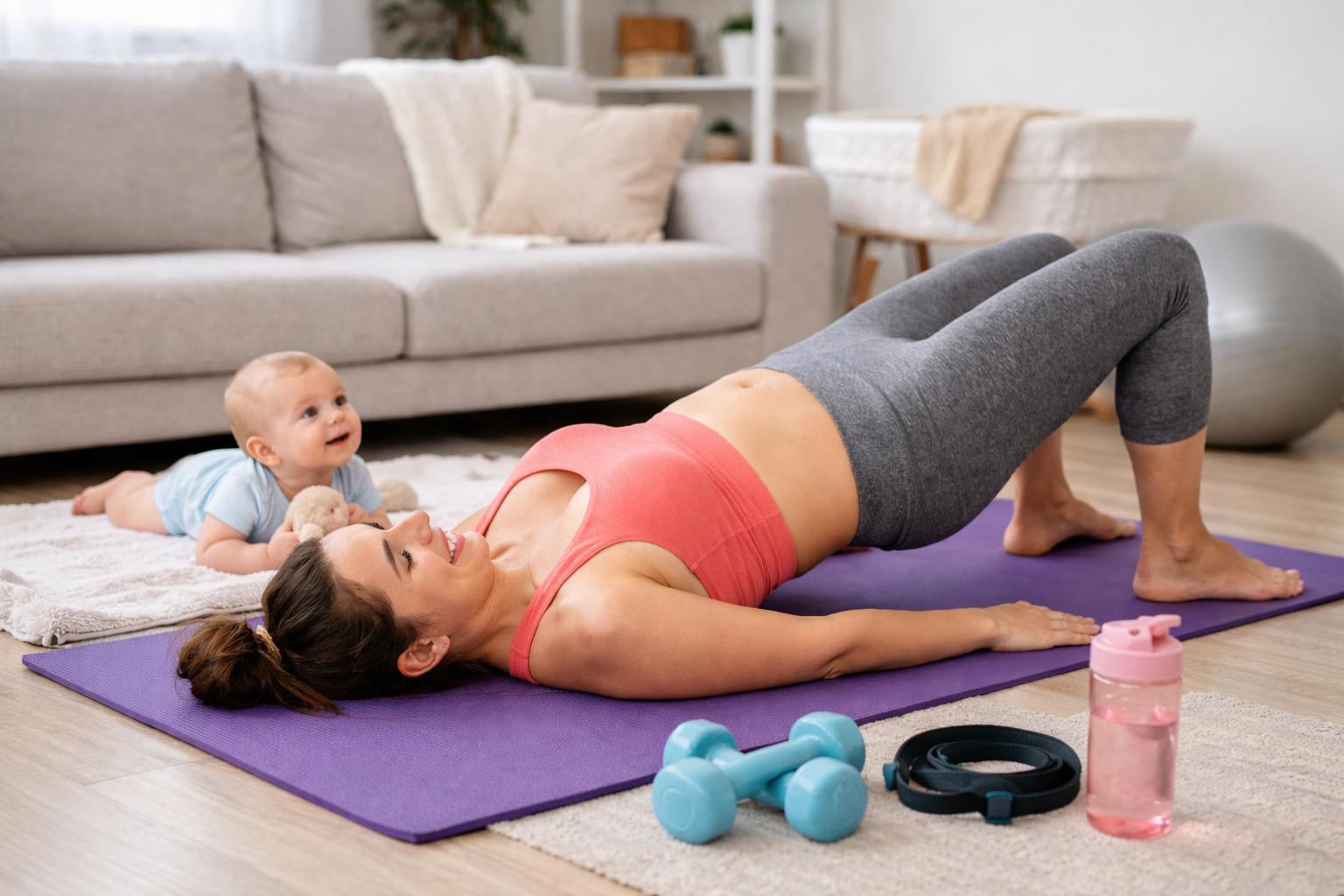
Three Postpartum Movement Practices
Returning to movement during the postpartum period is often a complex experience. There may be a range of sentiments: eager to connect with our bodies after…
Read More
Pregnancy is the most common contributor to the development of a prolapse. The hormonal changes, physical stress and strain, and the additional weight of your baby can soften the supportive tissues and muscles in your pelvic floor. This can cause your pelvic organs to shift and move from their normal alignment.
Postpartum
Returning to movement during the postpartum period is often a complex experience. There may be a range of sentiments: eager to connect with our bodies after…
Read More
Postpartum
You’ve just created life. Yes, you’re probably flooded with oxytocin and love hormones in the baby-bubble, but you’re likely also sleep-deprived, touched out,…
Read MoreGet this FREE video and start healing today
*Regain strength and confidence

Postpartum
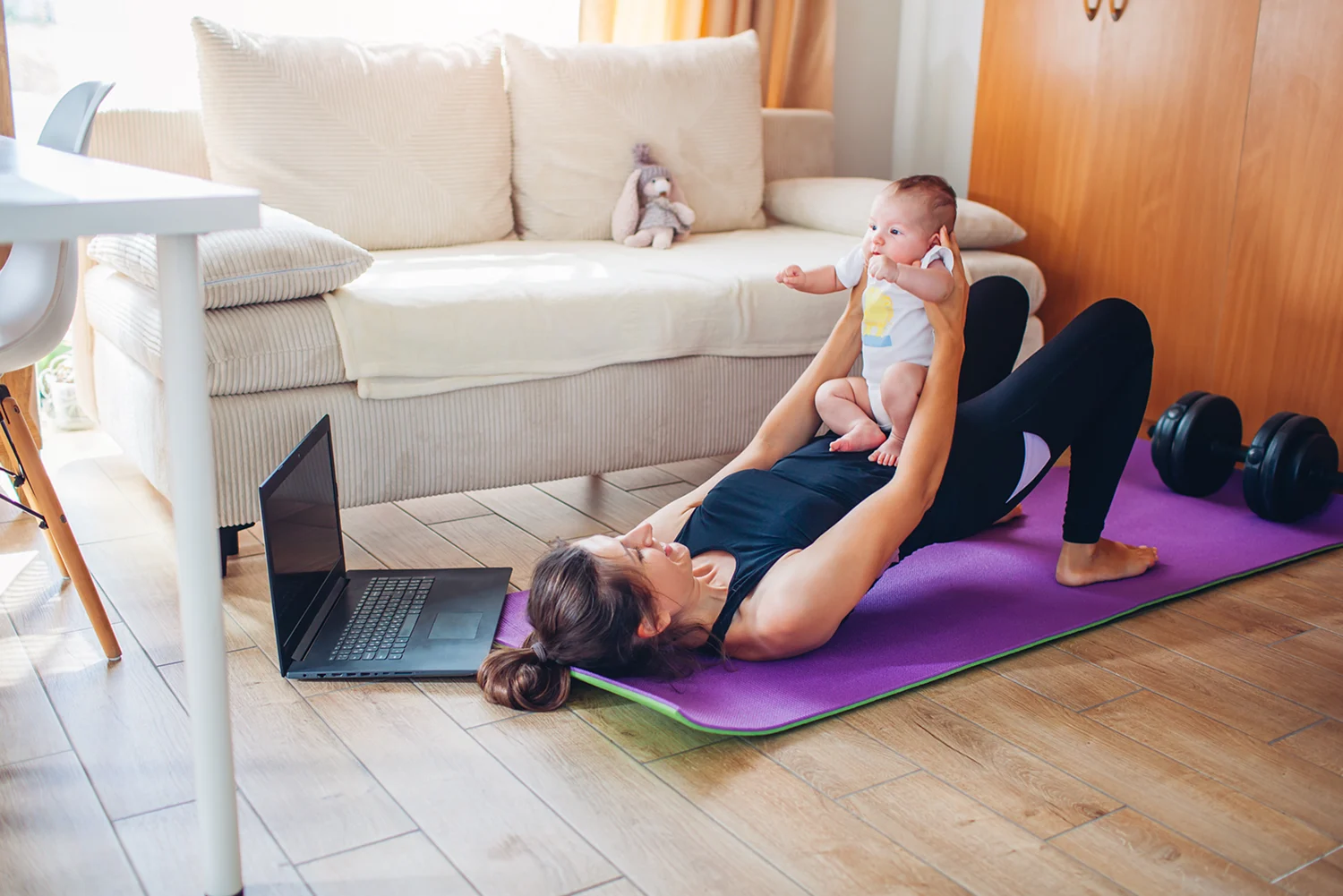
Motherhood doesn’t only reshape our bodies, it reshapes our lives. In caring for others (while still attempting to care for ourselves), our attention and…
Read More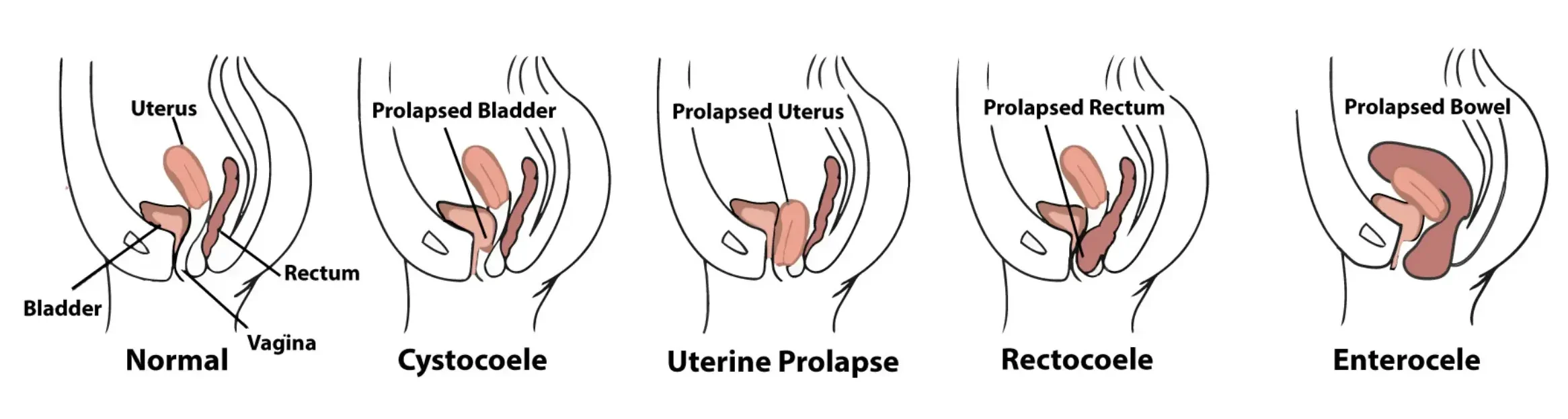
Postpartum
Experiencing prolapse after childbirth can feel overwhelming and frightening, but here’s what you need to know: postpartum prolapse is far more common than you…
Read More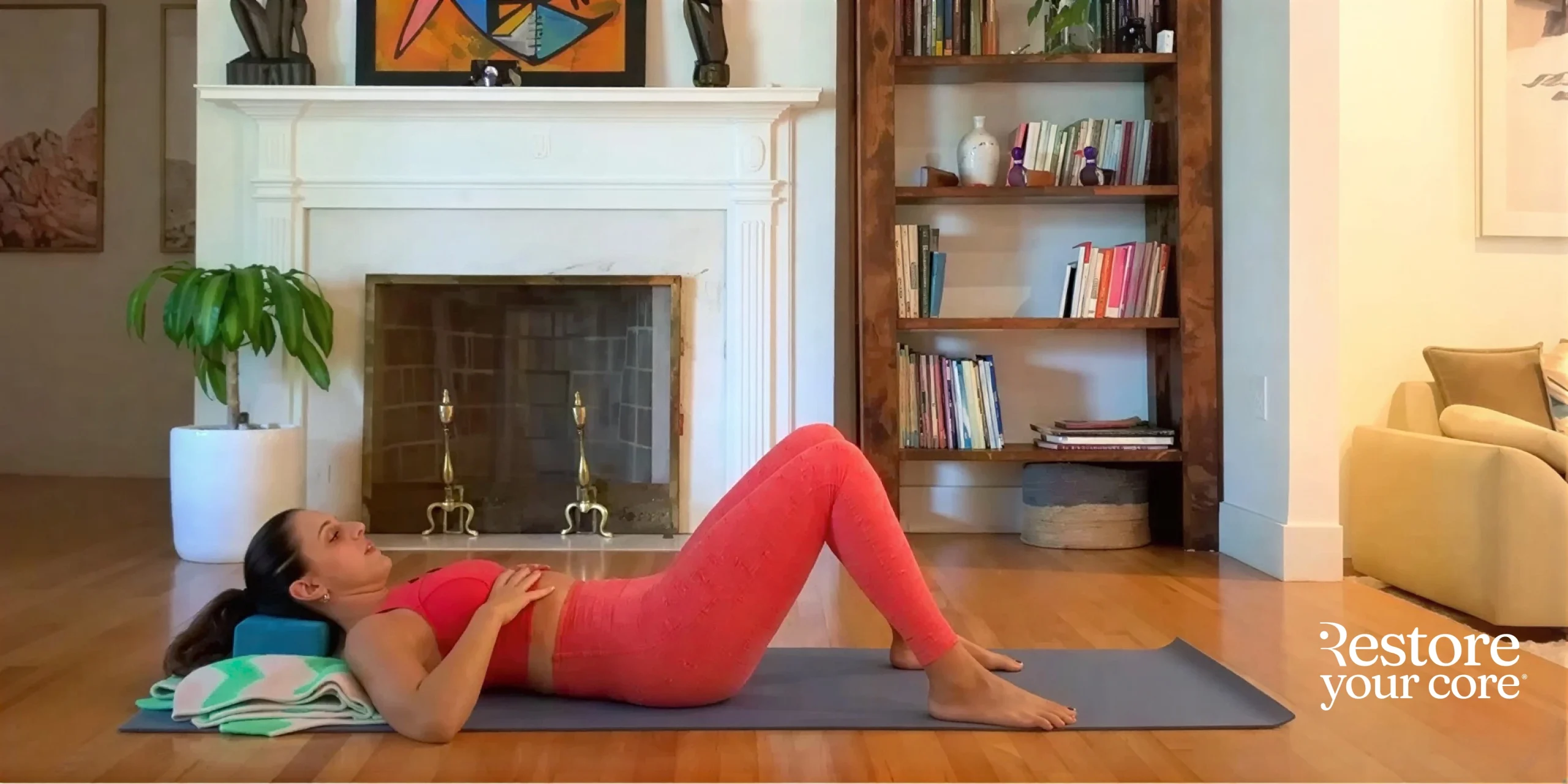
Postpartum
Postpartum physical therapy can be a great way to restore function and strength in your core and pelvic floor muscles. Giving birth places a strain on your…
Read More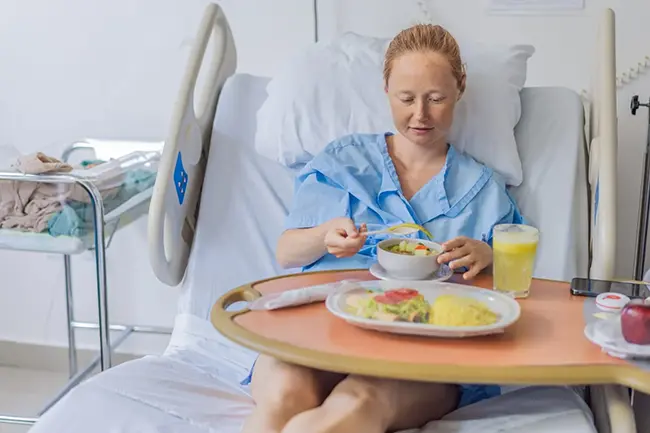
Postpartum
The postpartum recovery period typically lasts well beyond common expectations. Guiding and supporting your postpartum patients and clients through this…
Read More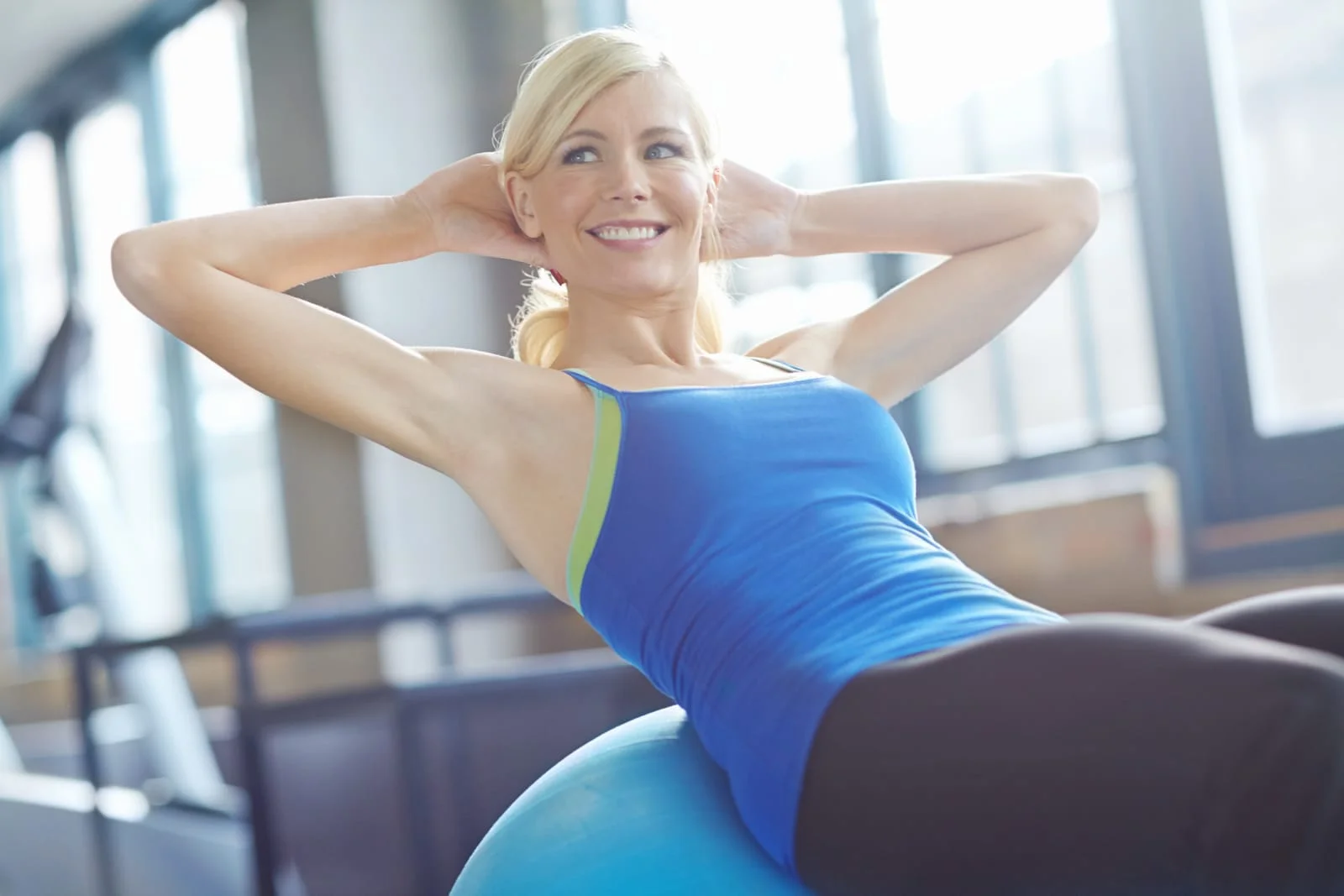
Postpartum
Postpartum recovery can be difficult for anyone, but there are particular considerations to keep in mind after a C-section. Read on to learn more about how to…
Read More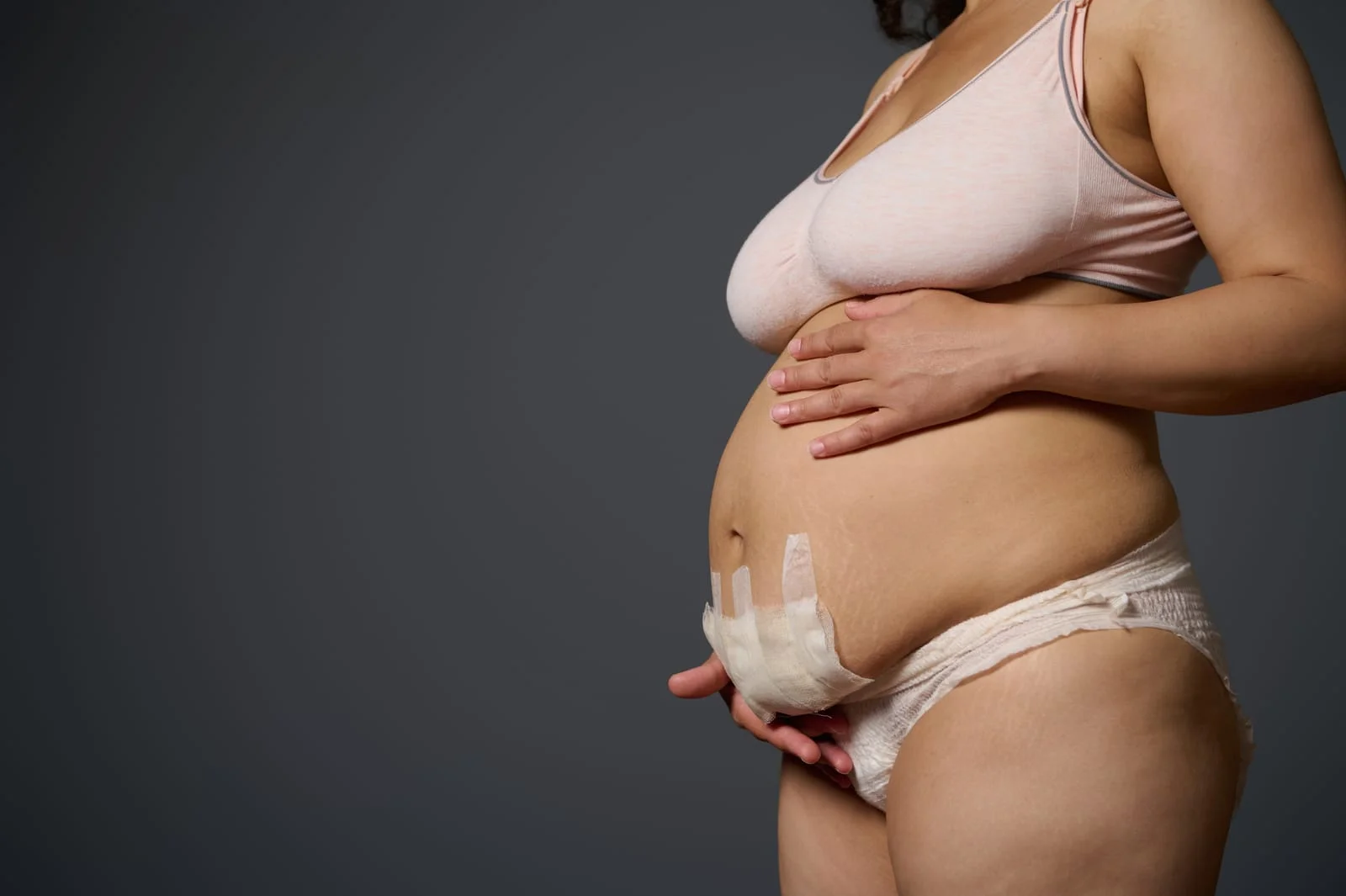
Postpartum
Pregnancy and delivery are a massive undertaking. Your body has to adapt and expand to allow the baby to grow, and having a C-section means you face a whole…
Read More
Postpartum
Giving birth takes a toll on your body – both physically and emotionally. Many postpartum people will feel overwhelmed and exhausted after giving birth, which…
Read More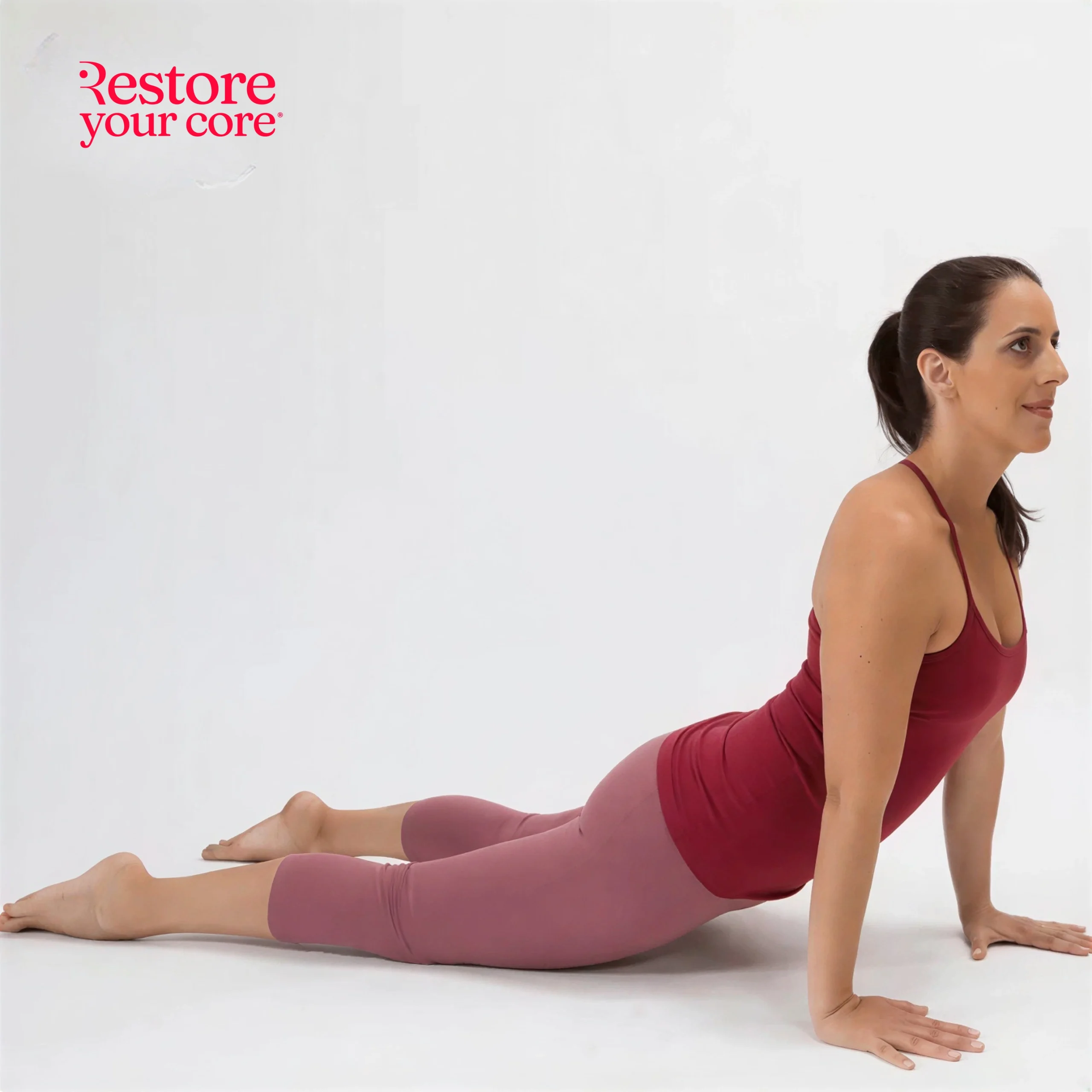
Postpartum
Before you begin any exercise routine, consult with your doctor for medical clearance. Practice patience with yourself and your body, and rest, lots of rest! I…
Read More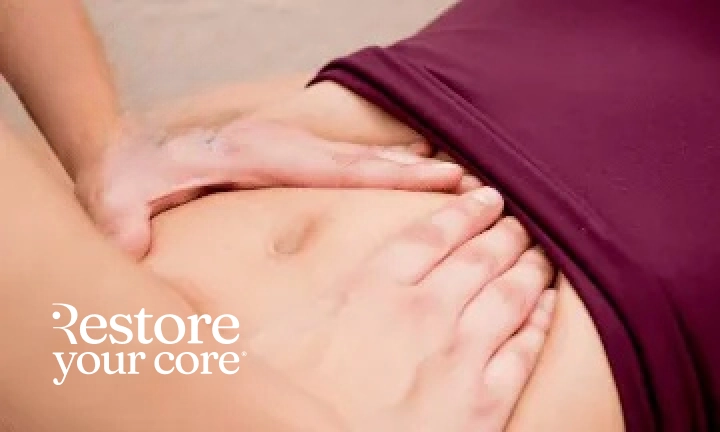
Postpartum
Post-pregnancy pain, whether it be pelvic floor pain or joint pain, is a shared experience among many postpartum people. However, postpartum pain, especially…
Read More