Prolapse
The Postpartum Bulge: Healing Prolapse After Birth With Confidence
Five weeks postpartum. Just when you’re starting to find your rhythm again – there it is. A strange pressure, maybe after a sneeze or lifting your toddler.…
Read More
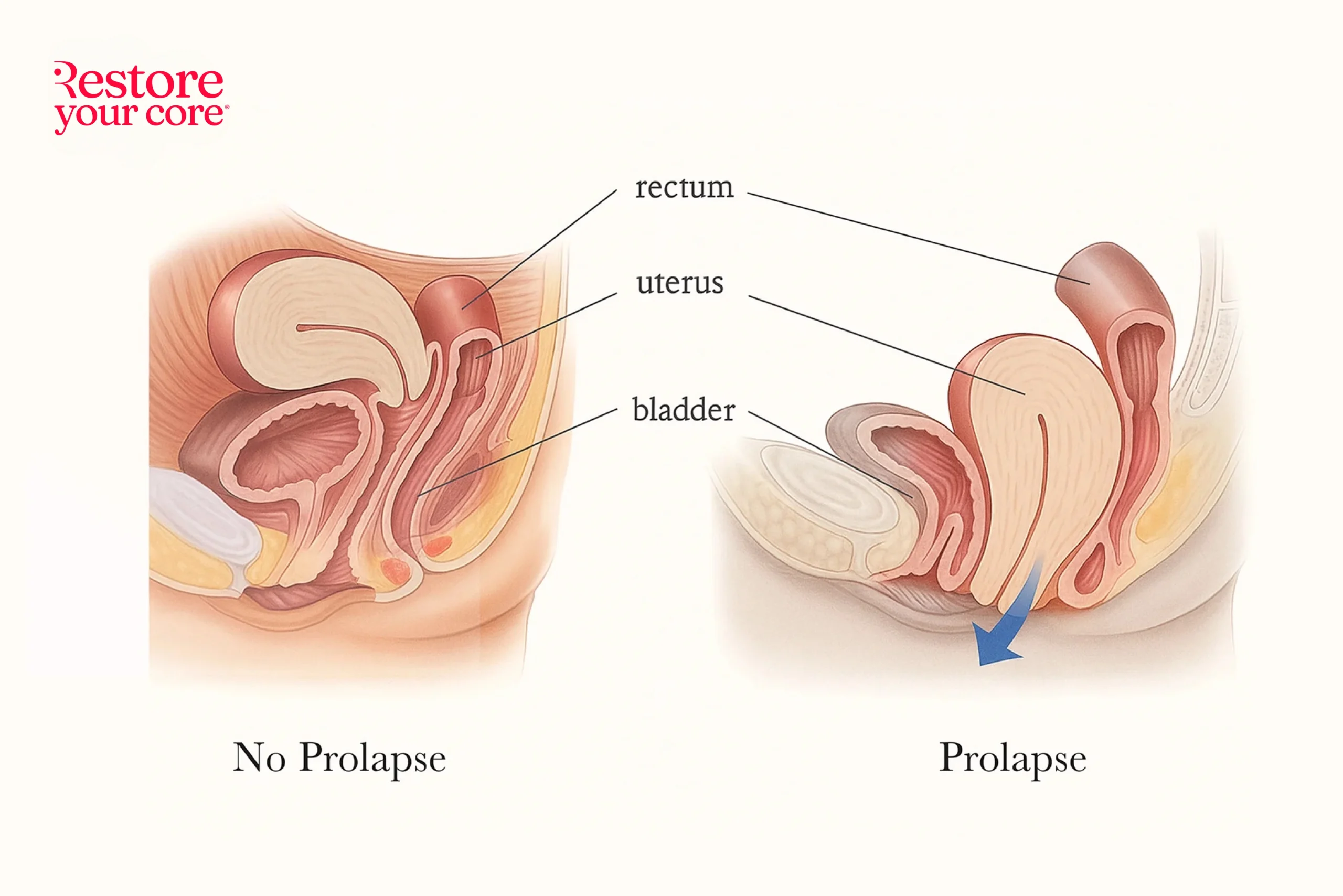
Pelvic organ prolapse (POP) is a condition in which one or more pelvic floor organs (bladder, rectum, small bowel, uterus, etc.) move toward or into the vaginal canal. This happens due to the imbalance of the muscles and ligaments supporting the pelvic floor.
Prolapse
Five weeks postpartum. Just when you’re starting to find your rhythm again – there it is. A strange pressure, maybe after a sneeze or lifting your toddler.…
Read More
Prolapse
If you’ve recently been diagnosed with pelvic organ prolapse, it’s natural to be overwhelmed by a mix of shock, confusion, fear and even devastation. This…
Read MoreGet this FREE video and start healing today
*Regain strength and confidence

Prolapse
You’re avoiding certain activities out of fear of making that uncomfortable heaviness or dragging sensation in your pelvis worse. You leak when you laugh,…
Read More
Prolapse
If you’ve recently noticed changes in your pelvic floor health, you’re not alone. Pelvic organ prolapse (POP) affects about 50% of women at some point in their…
Read More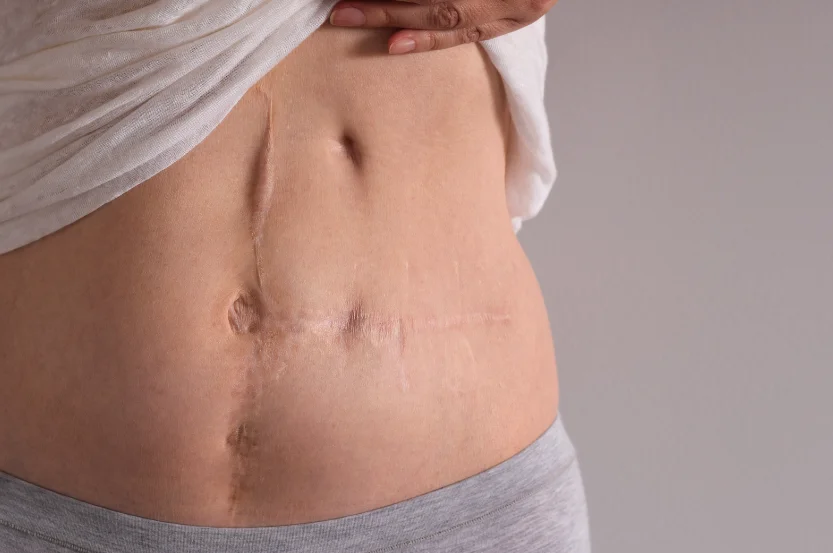
Prolapse
Are you contemplating hysterectomy? Recently recovering from a hysterectomy? If your doctor hasn’t yet spoken with you about pelvic organ prolapse after…
Read More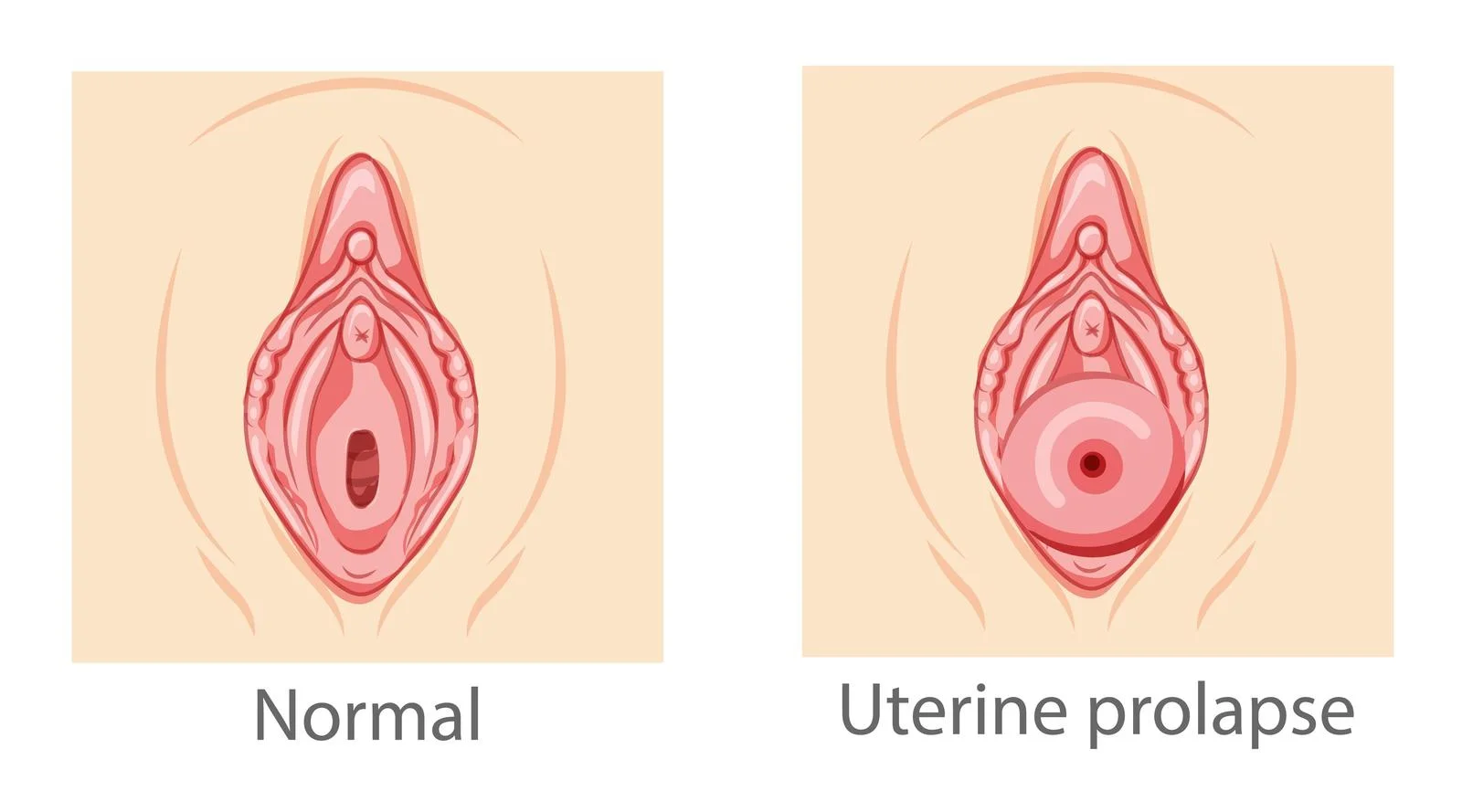
Prolapse
One thing that many of my clients with pelvic organ prolapse ask is, “Can you have intercourse with a prolapsed uterus?” The answer is usually yes, but there…
Read More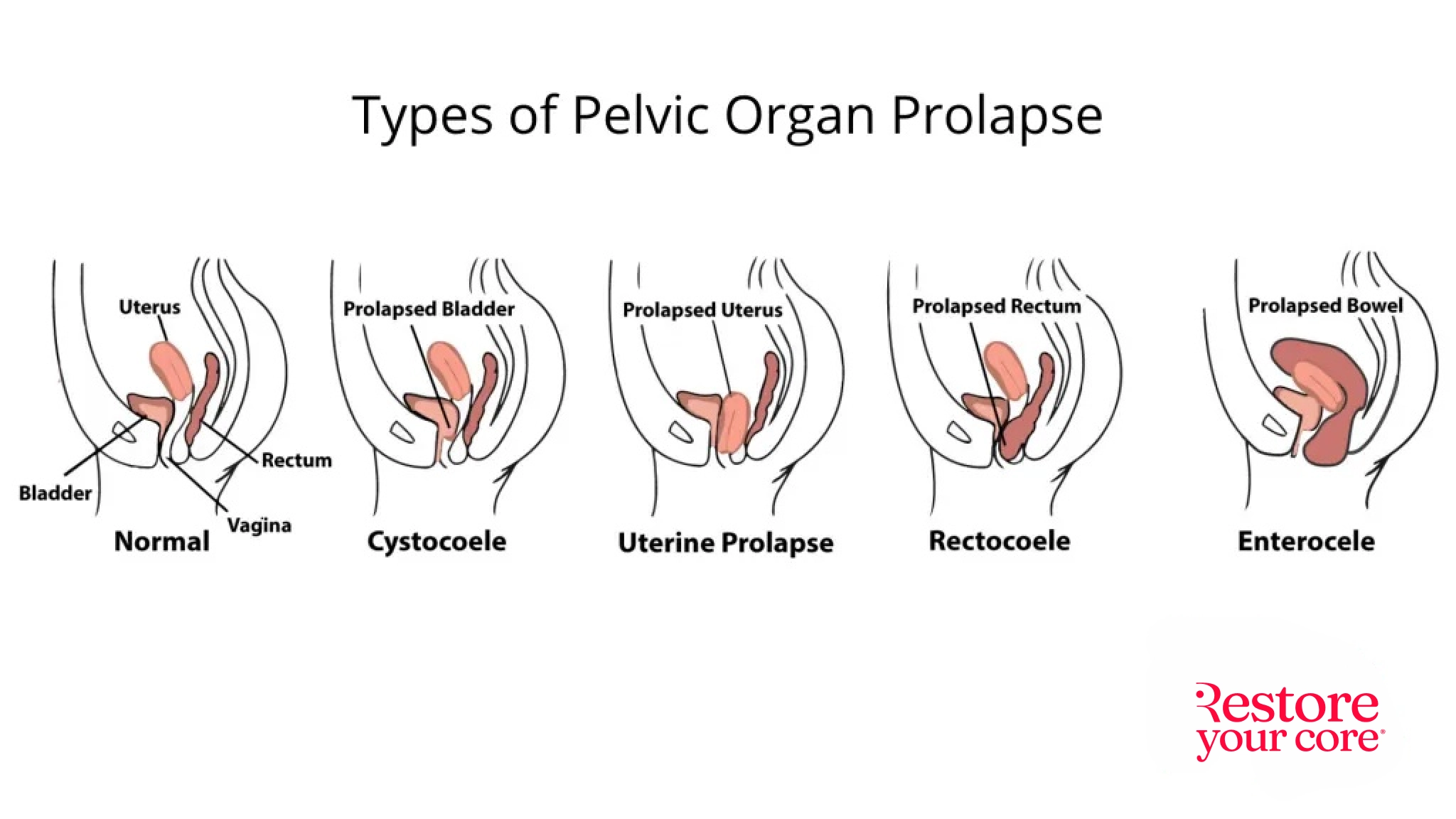
Prolapse
Childbirth is the primary risk factor for pelvic organ prolapse. While it is impossible to prolapse-proof your birth process, having a better understanding of…
Read More
Prolapse
For athletes, especially weightlifters, managing pelvic organ prolapse can be challenging. There are risks to consider before participating in your sport,…
Read More
Prolapse
The hips and pelvic floor are intimately interconnected muscle systems. A clear understanding of how hip mobility affects the pelvic floor will help you work…
Read More
Prolapse
Looking for comprehensive guidance on safe and effective exercises designed for the relief and recovery of a prolapsed uterus? Look no further. Learn about…
Read More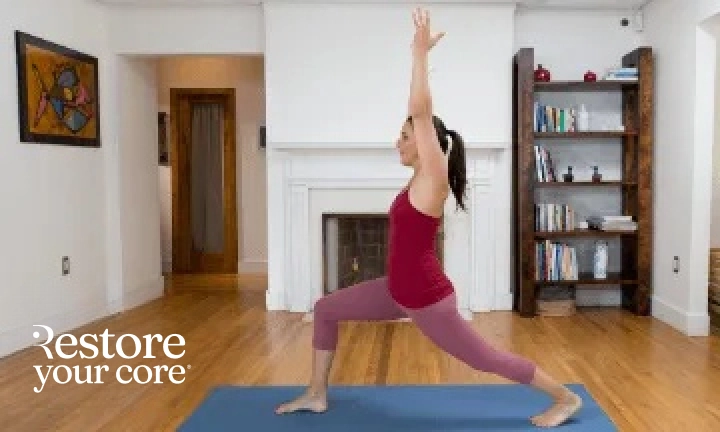
Prolapse
Rectal prolapse is another form of pelvic organ prolapse. Rectal prolapse occurs as a result of the rectum (the last part of the large intestine) being…
Read More
Prolapse
A uterine prolapse occurs when the pelvic floor becomes weakened and the surrounding tissues, muscles, and ligaments are unable to provide proper support to…
Read More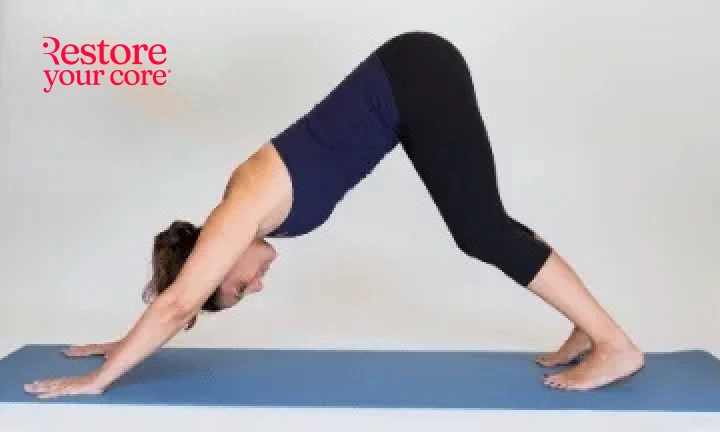
Prolapse
The uterus is one of the most important support structures in the pelvic floor. It provides support for the vagina and can help prevent conditions like vaginal…
Read More
Prolapse
You did it. You birthed a bouncing baby and your body is in recovery from enduring the sheer awesomeness that is childbirth. As the months that follow unfold…
Read More
Prolapse
Surgery for pelvic organ prolapse is a big deal. It is a big deal because you live in an age where you have many pathways to health, and don’t have to live…
Read More
Prolapse
Cystocele is the most common type of pelvic organ prolapse that occurs after vaginal childbirth. During a vaginal delivery, the pelvic floor muscles can be…
Read More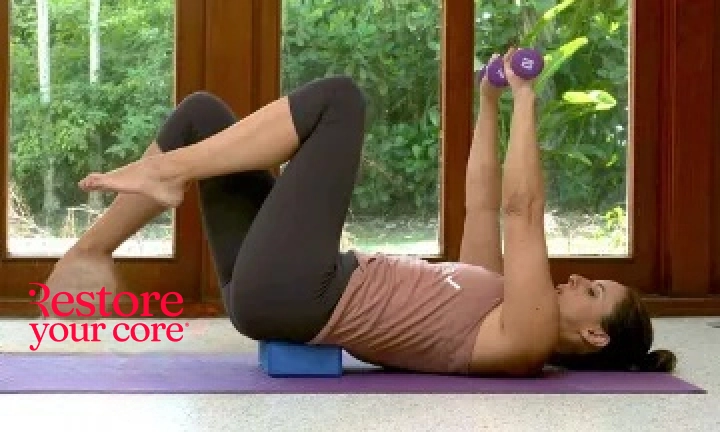
Prolapse
Repair for a vaginal rectocele is pursued in order to correct the herniation or bulging of the bottom wall of the vagina. Symptoms of rectocele can become…
Read More
Prolapse
A woman’s vagina is separated from her rectum by ligaments and tissues known as the rectovaginal septum. The tissues that line this wall are called fascia. At…
Read More