September 10th
Best Free Exercises for Diastasis Recti: Discover 3 Steps to Healing With Restore Your Core®
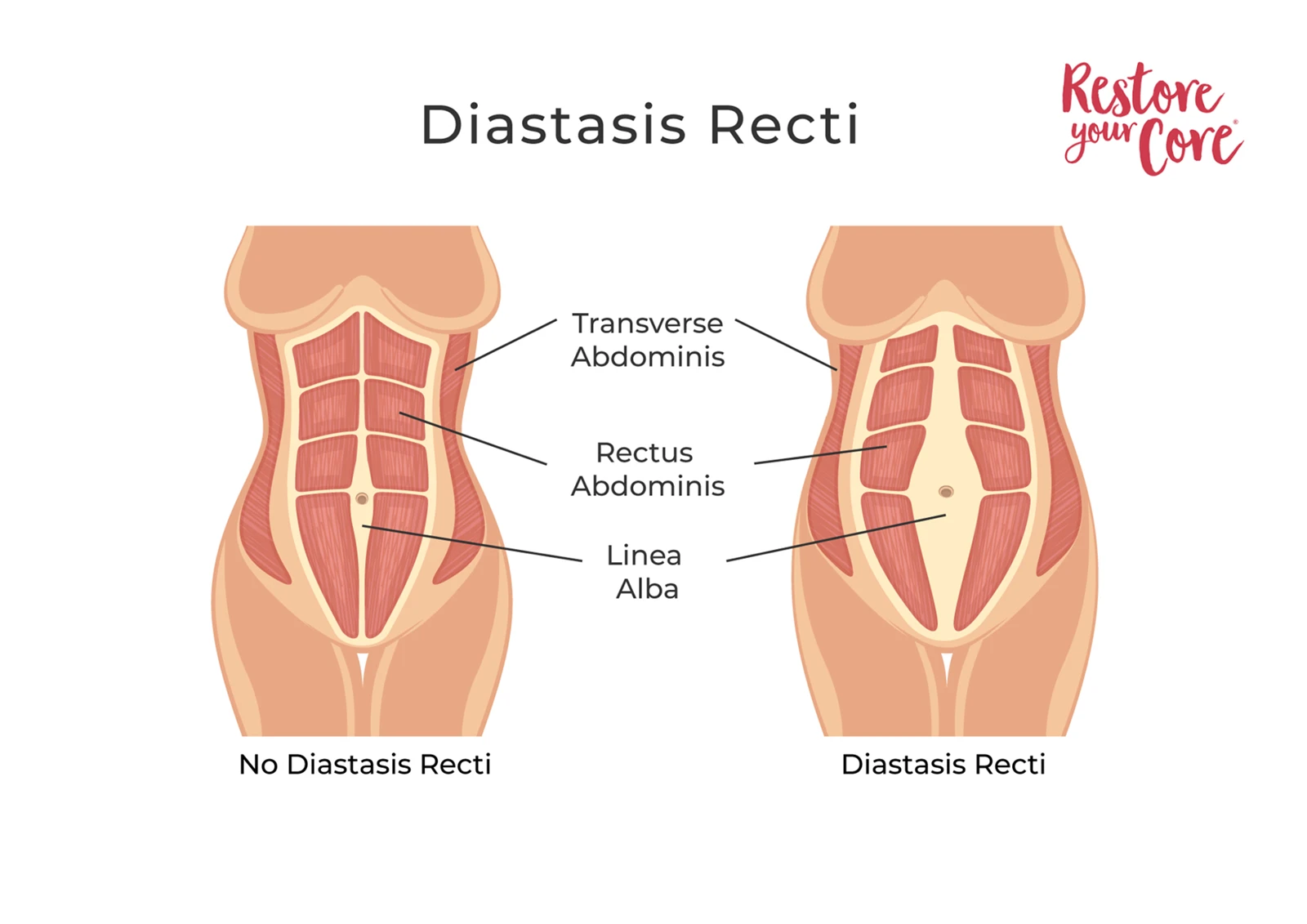
If you’ve been searching for clear, trustworthy guidance for healing diastasis recti, you’ve probably noticed how much confusing and conflicting information exists online. Many programs focus on isolated ab exercises, repetitive core tightening, or rigid rules that don’t reflect how your body actually works. And when advice feels overwhelming or prescriptive, it can make healing feel further out of reach.
Restore Your Core® (RYC®) offers a different path. Created by pelvic floor movement specialist Lauren Ohayon, RYC® has helped tens of thousands of people rebuild strength, improve function, and feel at home in their bodies again – through intelligent, whole‑body movement.
Today, you can begin with a completely free video: ***3 Ways to Heal Your Diastasis Recti*** – a short, educational introduction where Lauren shares three key principles that help your core become more functional and responsive.
Your First Step Toward Core Healing
This short, guided video helps you understand how to begin supporting your diastasis recti recovery – not through rigid rules or isolated exercises, but by reconnecting with your body in a more functional way.
👉 **Access the Free Video: 3 Steps to Heal Your Diastasis Recti**
This free video is perfect if you want to:
- Understand why your diastasis recti hasn’t healed years later
- Learn what a functional core actually means for your recovery
- Feel more confident about what to focus on – and what to let go of
Trusted by clinicians, movement professionals, and people worldwide, the RYC® Method has become a go‑to resource for sustainable, functional healing.
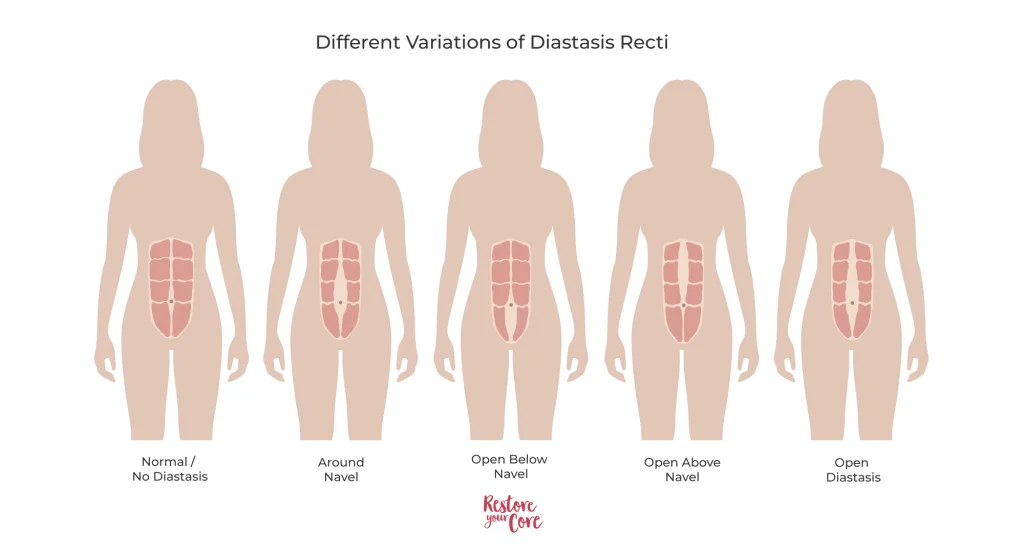
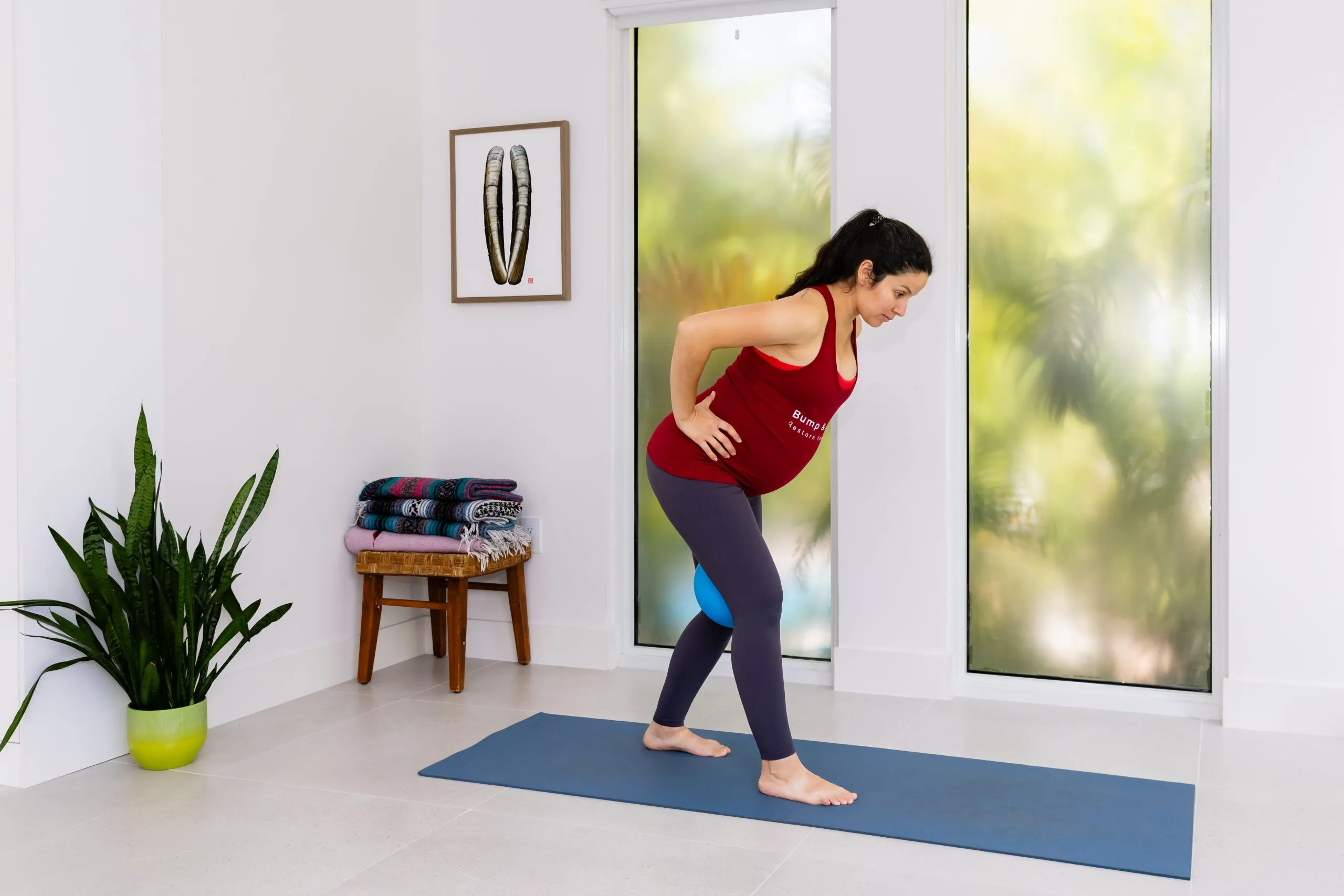
What Is the RYC® Approach to Diastasis Recti?
The Restore Your Core® Method goes beyond traditional “core strengthening.” Instead of focusing on isolated muscles, it teaches your entire system – breath, ribs, pelvis, spine, and abdominal wall – to work together.
What makes the RYC® approach unique:
- Emphasizes coordination and pressure balance rather than force
- Uses whole‑body movement to support reflexive core engagement
- Avoids exercises that overload the midline or strain the pelvic floor
- Supports mobility in the ribs and pelvis to improve core responsiveness
- Encourages nervous system down‑regulation for better tissue adaptation
This whole‑body lens has supported thousands through healing from diastasis recti, prolapse, postpartum changes, chronic back pain, and more.
What You’ll Explore in this Free Video
This free video offers a grounded, accessible way to begin understanding what actually supports your diastasis recti healing.
You’ll explore:
- How your core functions as part of a larger system – and what that means for recovery
- The small shifts that can make your movements and breathing more supportive
- Why mobility in your ribs and pelvis plays a quiet but important role in healing
- Common habits that keep your core working harder than it needs to
- What it looks like to start moving toward strength and responsiveness, not tension
Once you sign up, you’ll also get free tools and guidance to help you avoid common ab mistakes that can make diastasis recti harder to heal – and learn more effective, supportive ways to strengthen your core.
What Women Are Saying About the RYC® Method
⭐️⭐️⭐️⭐️⭐️ “RYC® explains the fundamentals of movement – and I finally understand that I spent so much energy compensating for core function with other body parts. Thanks to RYC®, I’m now very close to getting back to my favorite activities. I can feel my core work during exercise and every day movements, and it even feels closer together around my hernia!
RYC® has taught me to work smarter, not harder.
At Stage 3 of the program, I feel so accomplished already – I can’t wait to see what Stage 4 brings!”
⭐️⭐️⭐️⭐️⭐️ “My diastasis is closed, my prolapse symptoms are gone. I can lift heavy again, I can jump without leaking, sex isn’t painful anymore, and I’m stronger – not only physically, but mentally! I know my body can heal.”
⭐️⭐️⭐️⭐️⭐️ “I had a major tailbone issue for over 2 years combined with a tight pelvic floor and diastasis recti. Nothing I did ever was ‘enough’ to get relief. Then I found the RYC®! I signed up and can honestly say I felt a change immediately!
I started breathing more effectively, which I didn’t even know I was having issues with, and my tailbone started hurting less. My diastasis recti closed up and I could feel my core activating. I couldn’t believe it. All I can say is I haven’t felt this strong, resilient or functional in over 20 years and it feels great!”
⭐️⭐️⭐️⭐️⭐️ “I had no idea how much I would gain when I started RYC®. I love Lauren’s teaching. I love the guiding principle that if you challenge your body in a way that is doable for where you are at today, you will build strength over time. This has 1000% been true for me and it feels amazing.
My diastasis recti is much smaller and less deep than it was, but more importantly, I feel fit and confident that I can challenge my body in all the right ways.”

Free Diastasis Recti Support on YouTube
Once you’ve watched the free video, you may want additional guided support. Lauren’s YouTube channel is filled with safe, educational videos that follow the RYC® approach – from shorter practices to deeper explorations.
Watch these free diastasis recti videos:
- **How to Heal a Diastasis Recti? 3 Simple Ways**
- **How to Test for a Diastasis Recti**
- **3 Essential Patterns to Heal Diastasis Recti During Exercise**
- **Why Core Healing Needs a Whole‑Body Approach**
- **Prolapse & DR‑Friendly No‑Crunch Ab Workout**
Follow Restore Your Core® on YouTube for more free resources.
Building Strength and Support Over Time
Healing diastasis recti tends to unfold over time, as you learn your body, notice your patterns, and gain confidence in the choices that support you. Small, consistent efforts often create meaningful change, and even one clear practice can remind you that your core is adaptable and capable of responding well.
You deserve to feel strong, supported, and informed.
FAQ
Yes. Diastasis recti is fundamentally a connective tissue and load‑management issue, not just a postpartum one. Many people begin RYC® years or decades after developing symptoms, and many have never been pregnant at all. The free video introduces key ideas about how your core functions and what supports healing – ideas that apply to bodies at every life stage.
You can watch Lauren’s free video, 3 Steps to Heal Your Diastasis Recti, by signing up here: https://restoreyourcore.com/heal-from-dr/. The video is delivered straight to your inbox so you can revisit it anytime. The video introduces three simple ideas that help you understand what supports real diastasis recti healing – including how your core functions, how movement habits influence recovery, and why release is just as important as strength.
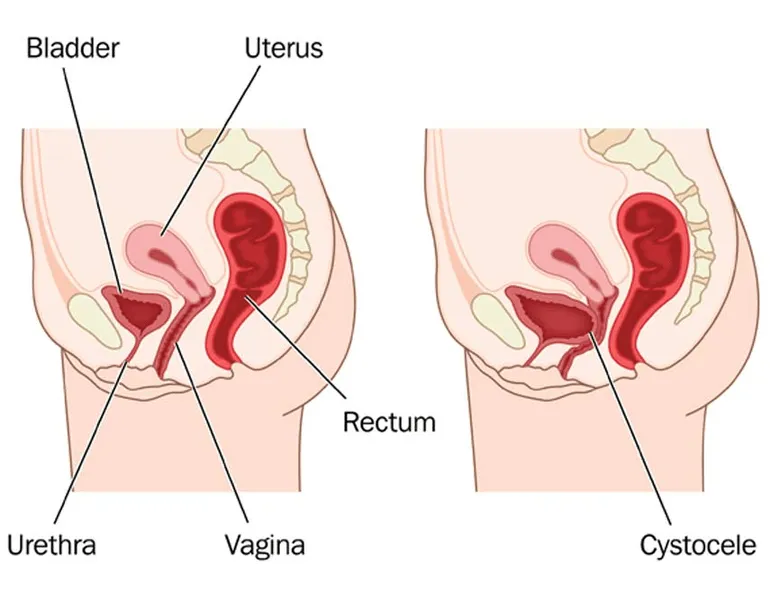
Yes. Many people exploring diastasis recti also experience symptoms of pelvic organ prolapse. The ideas shared in the video are supportive for both – helping you understand how pressure, coordination, and movement habits influence your core and pelvic floor. These principles are foundational in the free video and expanded upon within the Restore Your Core® 12‑Week Program, where you’ll find a progressive pathway for long‑term healing.
If you find the video helpful and want more clarity or structure, the next step is the Restore Your Core® 12‑Week Program. It includes a progressive workout path, deeper education, movement tutorials, and guided practice designed to help you apply RYC® principles in everyday movement. Many people choose the program after the free mini training because they want a sustainable, whole‑body method rather than isolated exercises.
Many diastasis recti programs focus on isolated strengthening, repetitive abdominal routines, or strict lists of what to avoid. Restore Your Core® takes a whole‑body, pressure‑aware approach that includes breath mechanics, nervous system support, mobility, and functional movement. Instead of trying to force abdominal closure, you learn how to create conditions that allow the connective tissue to adapt. This systems‑based method is the foundation of the RYC® 12‑Week Program, which has helped thousands of people progress after trying multiple other approaches.