September 10th
Pelvic Floor Tension: Everything You Need to Know

Pelvic floor tension – it’s a topic that doesn’t get enough airtime, but it’s one that affects so many of us. If you’re dealing with leaking when you cough, sneeze, run, or jump, or if you have prolapse symptoms that seem to worsen after certain activities, pelvic floor tension might be the culprit. Let’s dive into what’s really going on and how you can start feeling better.
Understanding Pelvic Floor Tension
Here’s the thing about pelvic floor tension: it’s incredibly common, but that doesn’t mean it’s normal or something you just have to live with. Your pelvic floor is like any other muscle group in your body – it needs to be able to contract, relax, and handle load effectively. When there’s too much tension, it can’t do its job properly, leading to all sorts of issues.
Think about it like this: if you walked around with your biceps flexed all the time, they’d get tired and wouldn’t work well when you actually needed them. The same goes for your pelvic floor. We need to teach it how to relax and respond appropriately to different situations.
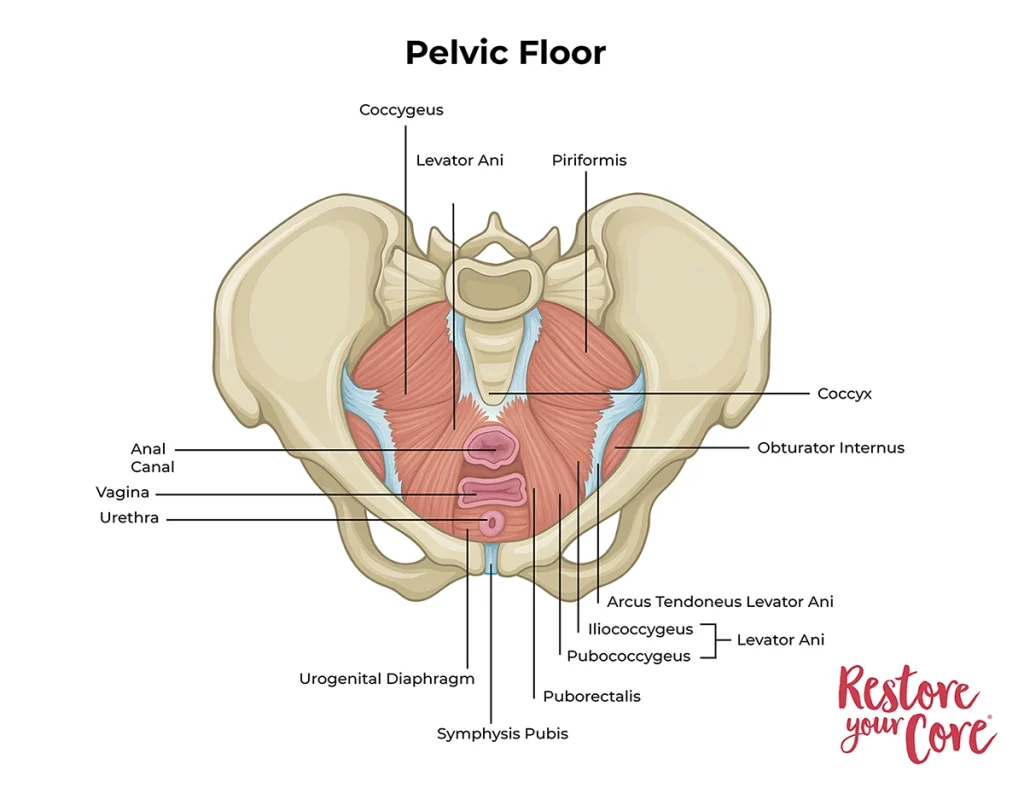
The Three Key Actions of a Healthy Pelvic Floor
To really understand how to release pelvic floor tension, we need to look at the three main actions your pelvic floor should be able to do:
- Contract and shorten
- Relax completely
- Lengthen under tension
Most people focus only on tightening their pelvic floor (hello, Kegels!), but that’s just one piece of the puzzle. We need all three actions for a fully functioning pelvic floor. In fact, if you’re dealing with pelvic floor tension, more Kegels might actually make things worse. If you’re curious about alternatives, check out my article on how to strengthen your pelvic floor without Kegels.
The Impact of Pelvic Floor Tension
Pelvic floor tension can show up in various ways, and it’s not always obvious that tension is the root cause. Some common symptoms include:
- Stress incontinence (leaking when you cough, sneeze, or exercise)
- Urge incontinence (sudden, intense need to pee)
- Pain during sex or after orgasm
- Heaviness in the pelvic floor or lower abodment
- Constipation
- Lower back pain
If any of these sound familiar, it might be worth exploring whether pelvic floor tension is playing a role.
Exercises to Relieve Pelvic Floor Tension
Now, let’s get into the good stuff – exercises to help relieve that tension and get your pelvic floor working the way it should. I’m going to walk you through a technique that addresses all three key actions.
Step 1: Connecting with Your Pelvic Floor
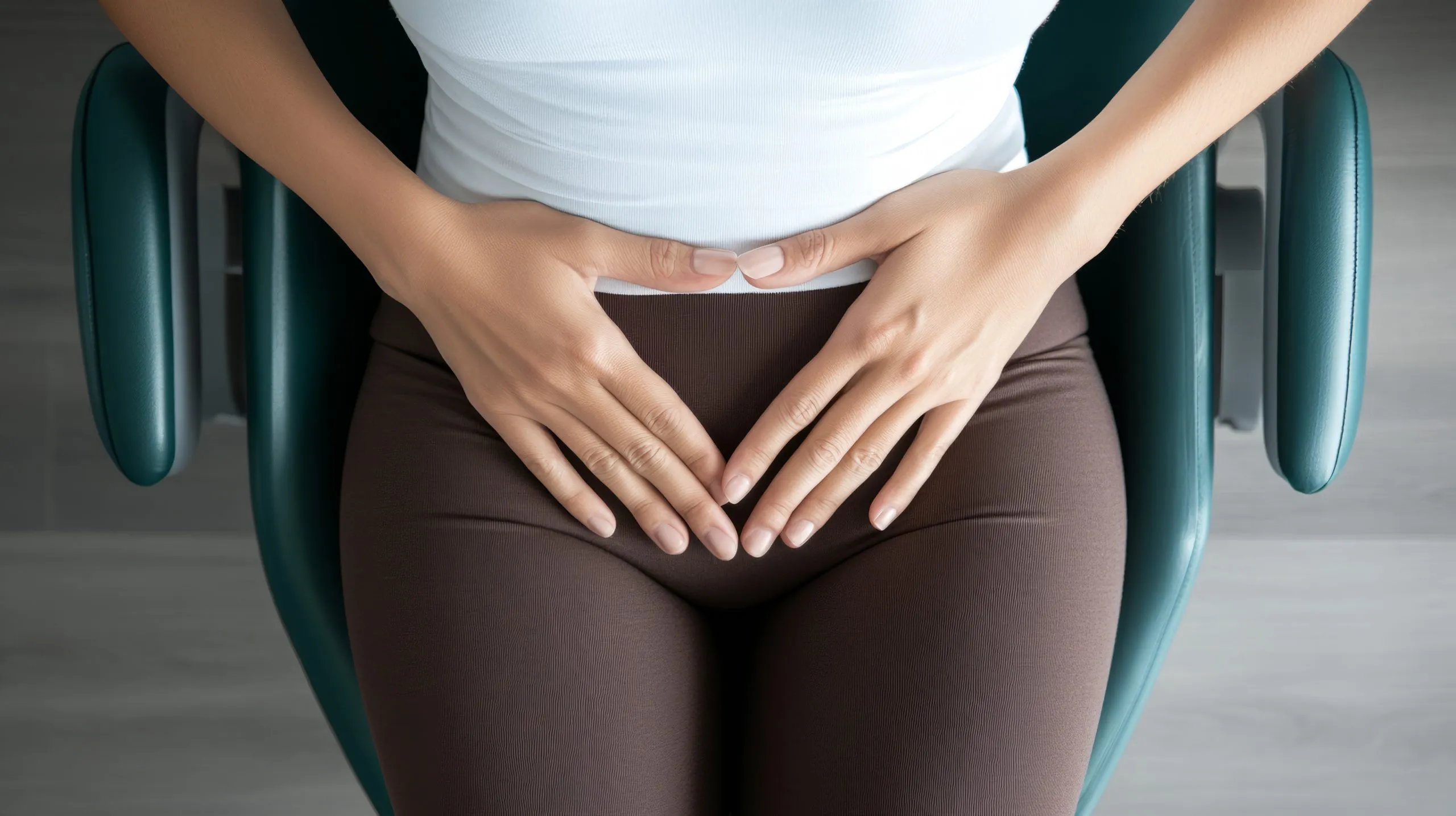
Before we do anything else, we need to make sure you can actually feel and control your pelvic floor. Here’s a simple exercise:
- Sit comfortably on a chair, making sure you’re on your sit bones.
- Place your hand over your vulva or a finger on your clitoris.
- Try to gently pull your clitoris and vulva away from your hand, then release.
- Imagine this movement as a wave, pulling back and then moving forward.
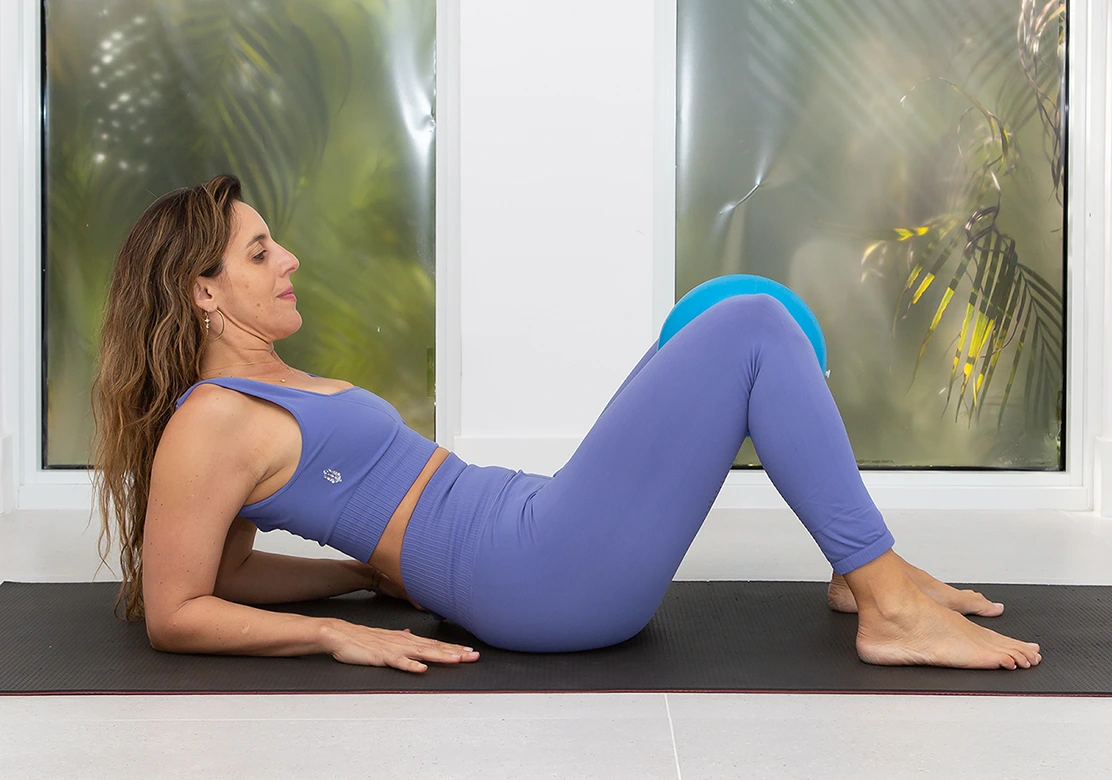
If this is challenging, don’t worry! It might take some practice to really feel that connection. Some people find it helpful to use a small, inflatable ball or a folded towel under their perenium to increase sensation in the area.
Step 2: The Controlled Bear Down
This next exercise might surprise you – we’re actually going to practice bearing down in a controlled way. Here’s how:
- Sit comfortably and place your hand on your lower belly.
- Take a deep breath in, and as you inhale, gently bear down into your pelvic floor. It’s like you’re trying to push something out, but slowly and with control.
- As you do this, try to keep your abdominals from bulging out too much.
- Exhale and release.
This exercise teaches your pelvic floor to lengthen under tension, which is crucial for activities like running or jumping. It might feel counterintuitive, especially if you’ve been told never to bear down. But remember, your pelvic floor needs to be able to lengthen in response to some demands, not just contract.
Step 3: The Release
The final step is all about letting go:
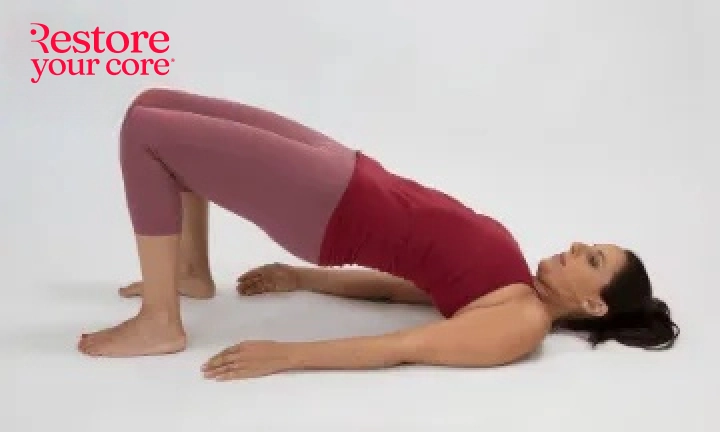
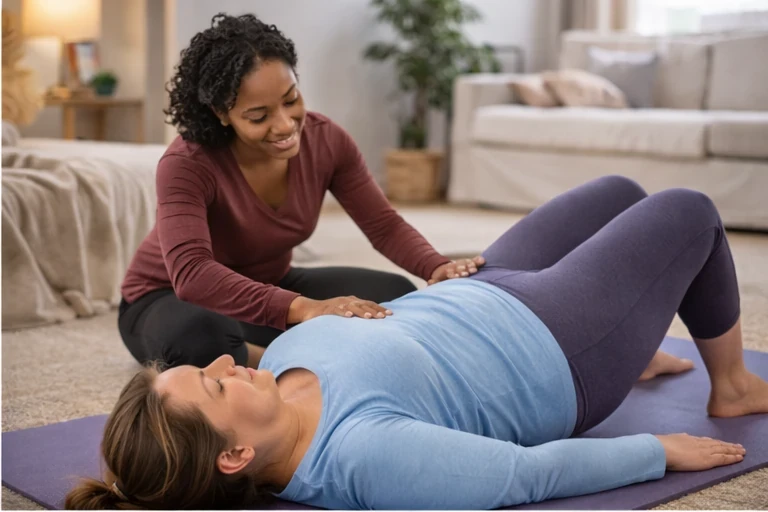
- Get into a hands–and–knees position with your bottom up in the air, or lie on your back with your legs up on a chair.
- Let your belly relax completely – no shame in letting it all hang out!
- Focus on relaxing your pelvic floor. Imagine your muscles softening and releasing.
To really tackle pelvic floor tension, try this routine 3 times a week:
- Start with the connection exercise, doing 5–6 gentle contractions and releases.
- Move on to the controlled bear down, doing 5–6 slow repetitions.
- Finish with the release position, holding for 1–2 minutes.
Remember, this isn’t about pushing yourself to the limit. It’s about teaching your body new patterns and giving your pelvic floor the chance to work the way it’s meant to.
Putting It All Together
Integrating Pelvic Floor Work into Your Daily Life
While dedicated exercises are important, true pelvic floor health comes from how you use these muscles throughout your day. Here are some tips to keep in mind:
- Practice good posture: Slouching can increase pressure on your pelvic floor. Sit tall with your feet flat on the floor when possible.
- Take movement breaks: If you sit for long periods, try to stand up and move around every hour. This helps prevent tension from building up.
- Stay hydrated: Proper hydration is crucial for overall pelvic health. Don’t skimp on water!
- Mind your bathroom habits: Avoid straining during bowel movements and don’t rush urination. Give your pelvic floor time to relax fully.
- Be mindful during exercise: Pay attention to how your pelvic floor feels during different activities. If you notice increased tension or symptoms, it might be time to modify your routine.
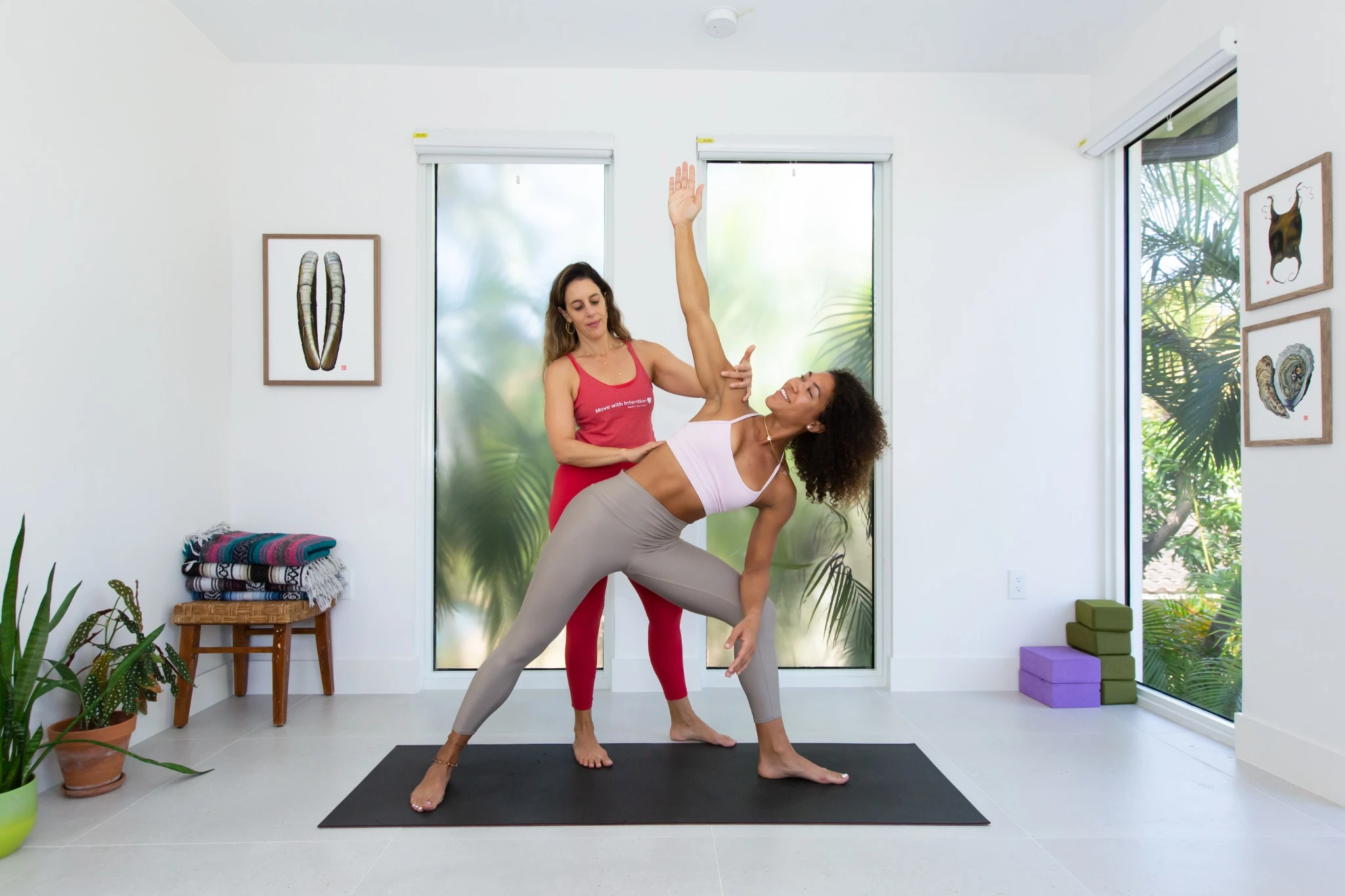
A program like Restore Your Core® can help guide you to connect more deeply with your pelvic floor and integrate more supportive movement habits into your daily life.
When to Seek Professional Help
While these exercises can be incredibly effective, sometimes you need a bit more support. Consider seeing a pelvic floor physical therapist if:
- Your symptoms don’t improve after several weeks of consistent practice
- You’re having trouble identifying or controlling your pelvic floor muscles
- You experience pain during these exercises
- Your symptoms are significantly impacting your quality of life
A pelvic floor specialist can provide personalized guidance and may use techniques like biofeedback to help you better understand and control your pelvic floor muscles. Learn more about finding the right specialist in our guide to pelvic floor specialists.
Wrapping Up
Dealing with pelvic floor tension can be frustrating, but I promise you, it’s not something you’re stuck with forever. By practicing these exercises and learning to both engage and relax your pelvic floor, you’re taking a huge step towards feeling better in your body.
Remember, healing isn’t linear. You might have good days and bad days, and that’s okay. The key is to stay consistent with your practice and be patient with yourself. Your body has an incredible capacity to heal and adapt.
If you’re looking for more support on your pelvic floor health journey, check out my Restore Your Core® program. It’s designed to help you build a strong, functional core and pelvic floor, addressing issues like tension, weakness, and everything in between.
Your body is incredibly resilient and, with the right tools and input, has the ability to heal and adapt. Be patient with yourself, stay consistent with your exercises, and don’t hesitate to reach out if you need more guidance. You’ve got this!
FAQ
Aim for 3 times a week to start. Consistency is key, so find a routine that works for you and stick with it.
Yes, tension in pelvic floor muscles can definitely lead to pain or discomfort during intercourse. Working on releasing that tension can help improve your experience.
Absolutely! Learning to control your pelvic floor takes time and practice. Be patient with yourself and remember that any progress is good progress.
Absolutely! Learning to control your pelvic floor takes time and practice. Be patient with yourself and remember that any progress is good progress.
Everyone’s journey is different, but many people start to notice changes within a few weeks of consistent practice. Remember, healing is a process, not a quick fix.
Most of these exercises are safe during pregnancy, but always check with your healthcare provider before starting any new exercise routine while pregnant.
Yes! Managing stress, staying hydrated, maintaining good posture, and avoiding prolonged sitting can all contribute to better pelvic floor health.