September 10th
Prolapse After Hysterectomy: A Comprehensive Guide to Risks and Prevention
Are you contemplating hysterectomy? Recently recovering from a hysterectomy? If your doctor hasn’t yet spoken with you about pelvic organ prolapse after hysterectomy, read on to learn more about the risks, symptoms, treatment options and preventative measures you can take to reduce that risk.
Hysterectomy and Your Pelvic Floor
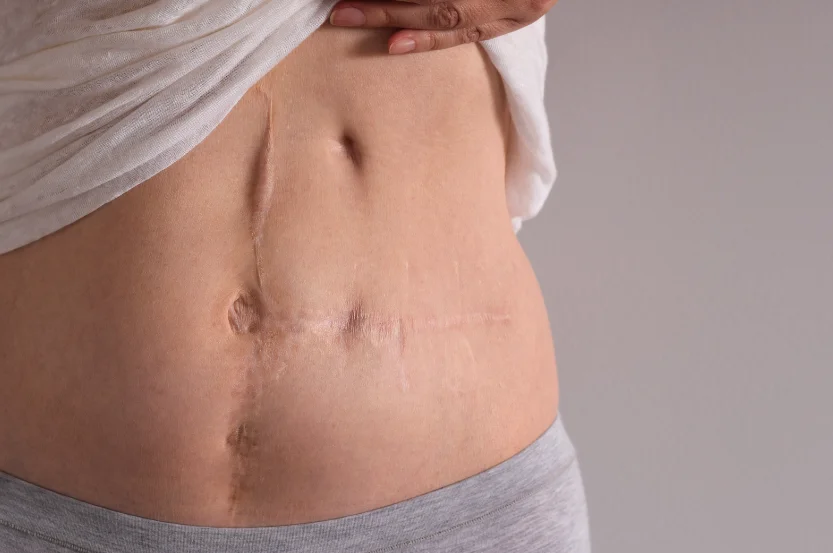
Hysterectomy is performed in order to treat conditions such as cancer, fibroids or endometriosis, as part of gender-affirming surgery, and sometimes to treat uterine prolapse. The surgery can be performed either inpatient or outpatient, and there are different routes involved: vaginal, abdominal, and laparoscopic. What all these surgeries have in common is that they require cutting into parts of the pelvic floor and removing the uterus (and sometimes the ovaries and fallopian tubes as well).
There is a known increase in risk of pelvic organ or apical (vaginal vault) prolapse following hysterectomy due to the shift in positions of the pelvic organs and damage to the tissues of the pelvic floor. Prolapse is not inevitable following a hysterectomy, and developing habits that support core and pelvic floor function may help further reduce that risk.
Understanding Prolapse Post-Hysterectomy
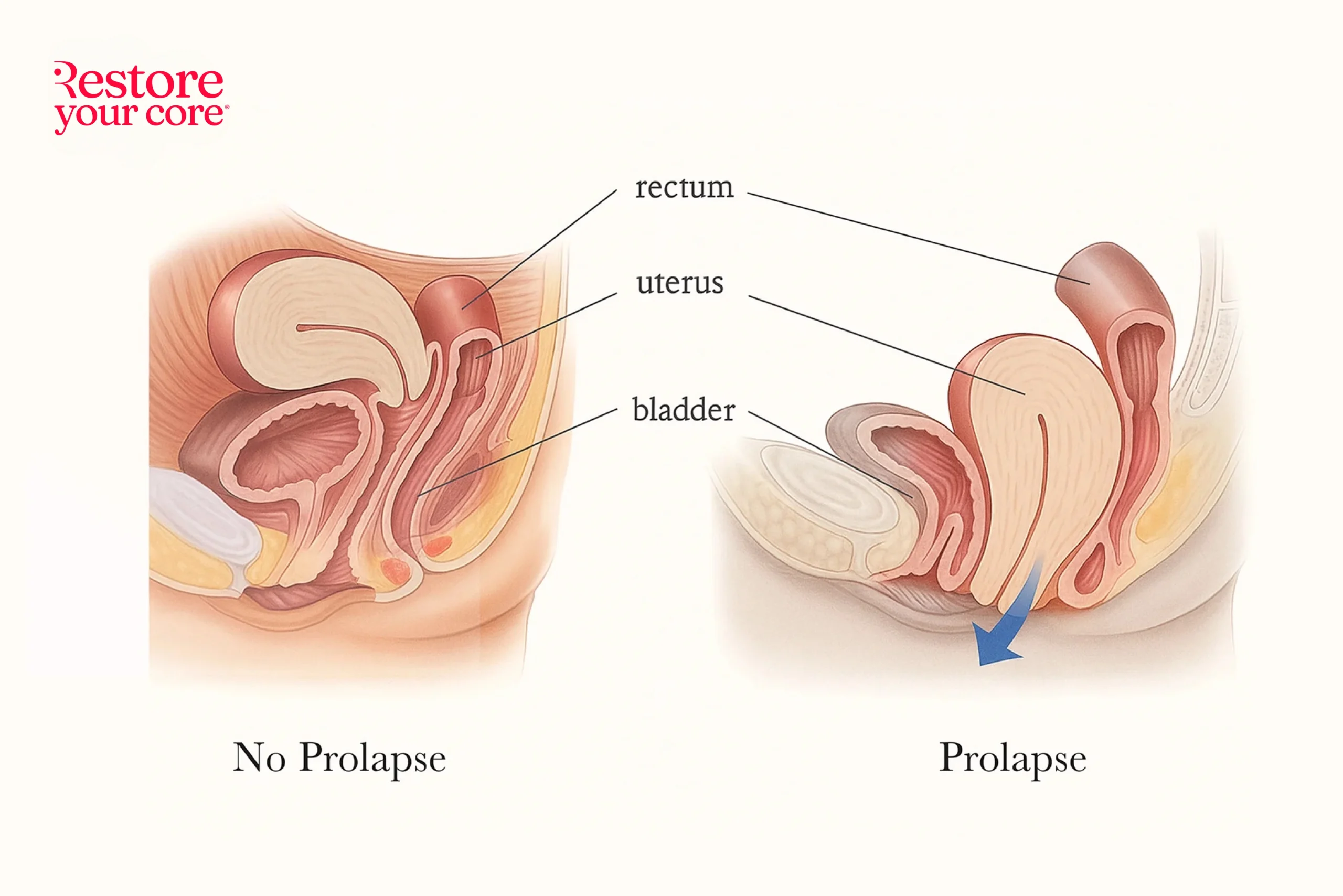
Pelvic organ prolapse is the general term for organs in the pelvis that have moved out of their usual place, usually into the vagina or anus.
Prolapse types and symptoms
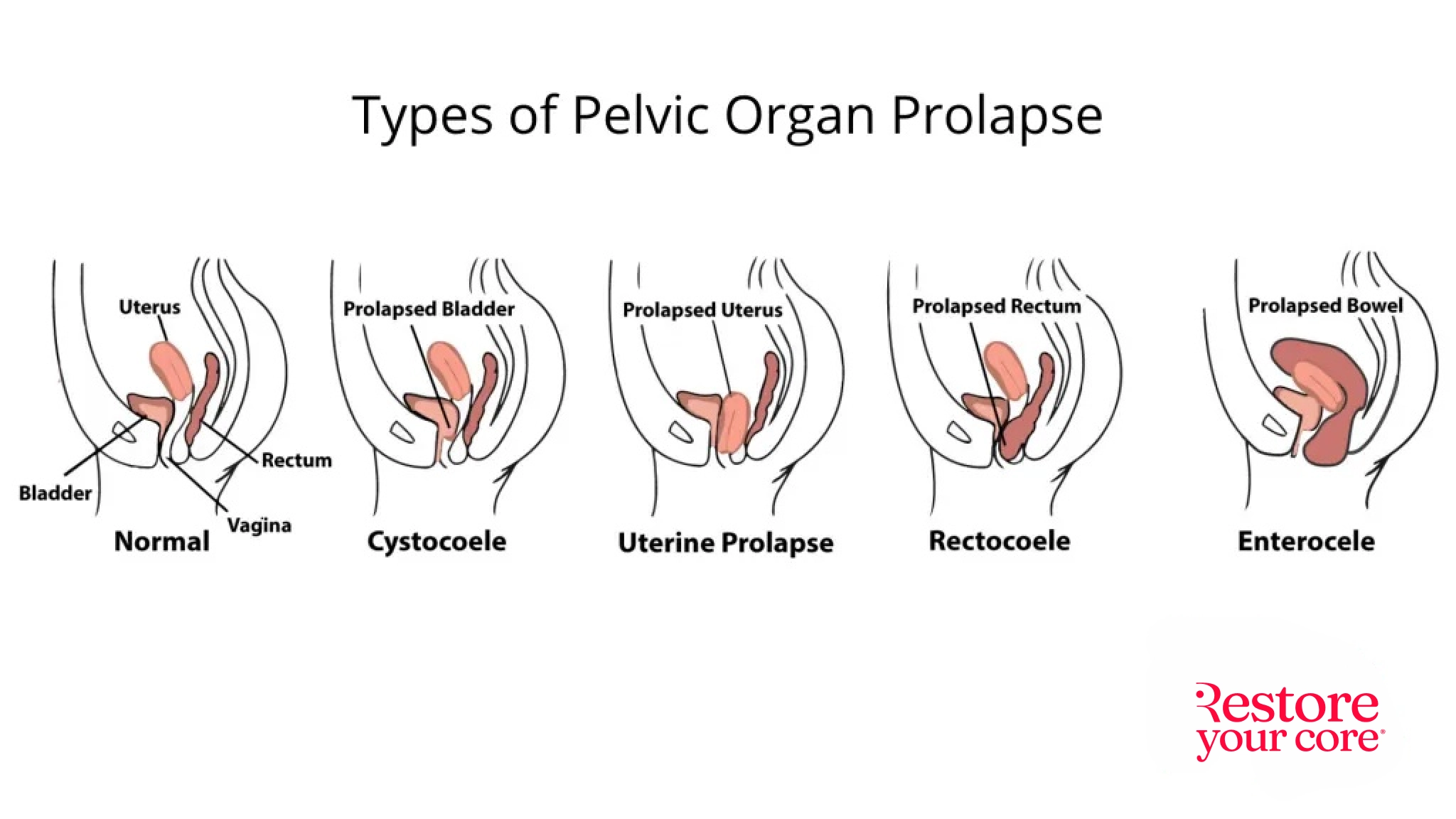
There are five primary types of pelvic organ prolapse:
- Bladder Prolapse- Cystocele
- Rectum Prolapse- Rectocele
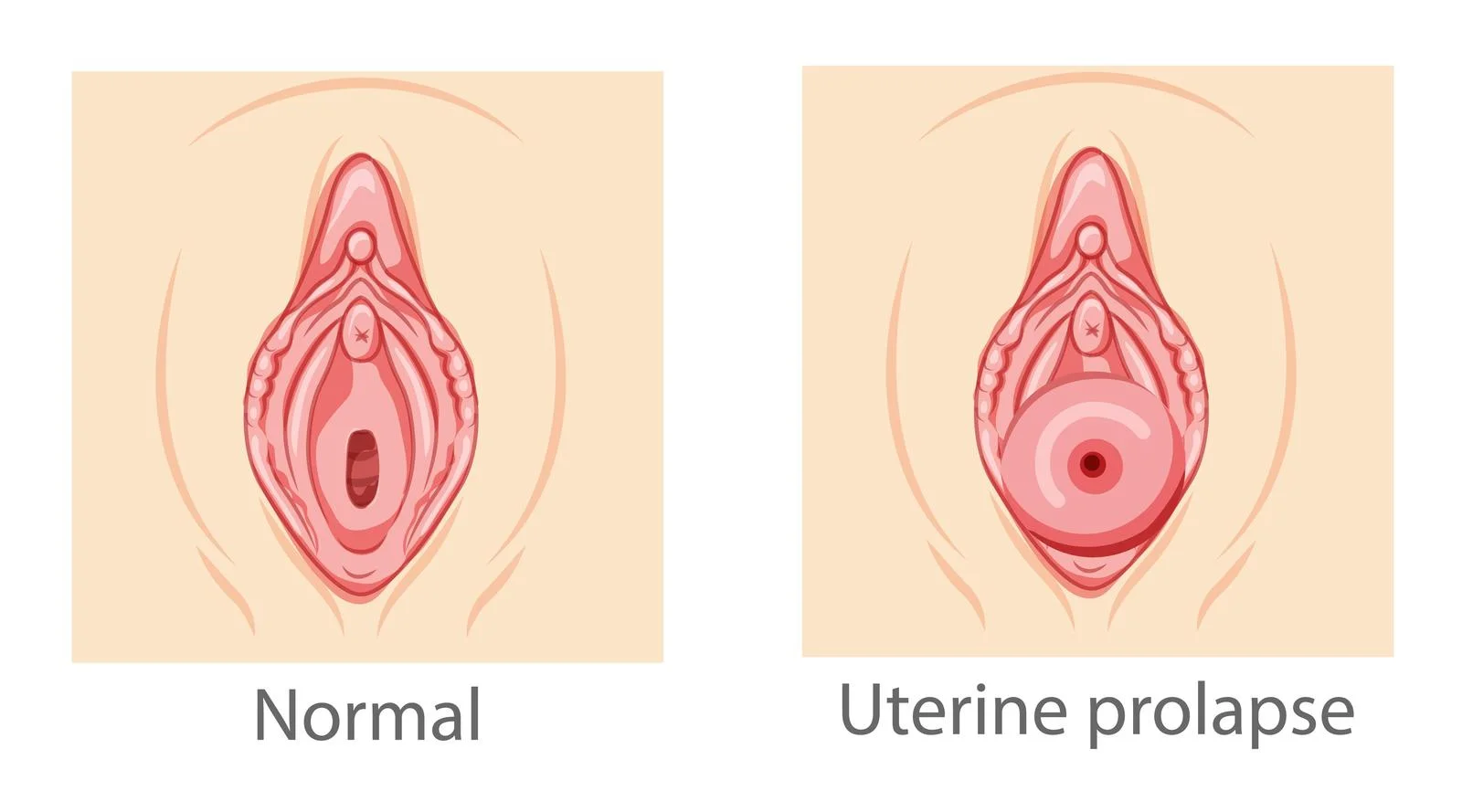
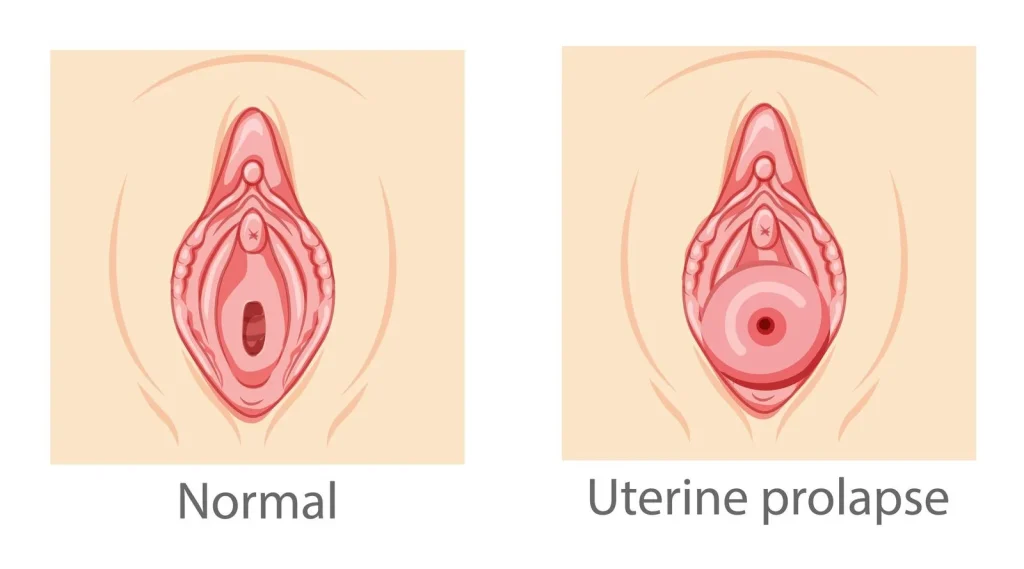
- Uterine Prolapse
- Vaginal Vault Prolapse – Apical
- Small Intestine Prolapse- Enterocele
Symptoms you may experience:
- A heavy pulling or dragging sensation in the pelvic floor
- Pain or discomfort during intercourse
- Difficulty with urination, including incomplete bladder emptying or urine leakage
- Frequent urination
- Constipation
- Back pain
- Visible or palpable bulge
Since the uterus is removed during hysterectomy, the most common type of prolapse that follows hysterectomy is apical (vaginal vault) prolapse, where tissues of the vaginal walls collapse from having lost the support of the uterosacral ligaments. More recently, standard surgical practice has been to repair the uterosacral ligaments during the hysterectomy, which may lead to fewer such prolapses.
What causes pelvic organ prolapse?
Pelvic organ prolapse (POP) is complicated by excess intra-abdominal pressure. Poor breathing mechanics and repetitive movement patterns can lead to excessive abdominal pressure, displacing the organs from their natural position. Weak pelvic floor muscles and connective tissue disorders can further contribute to the risk of prolapse.
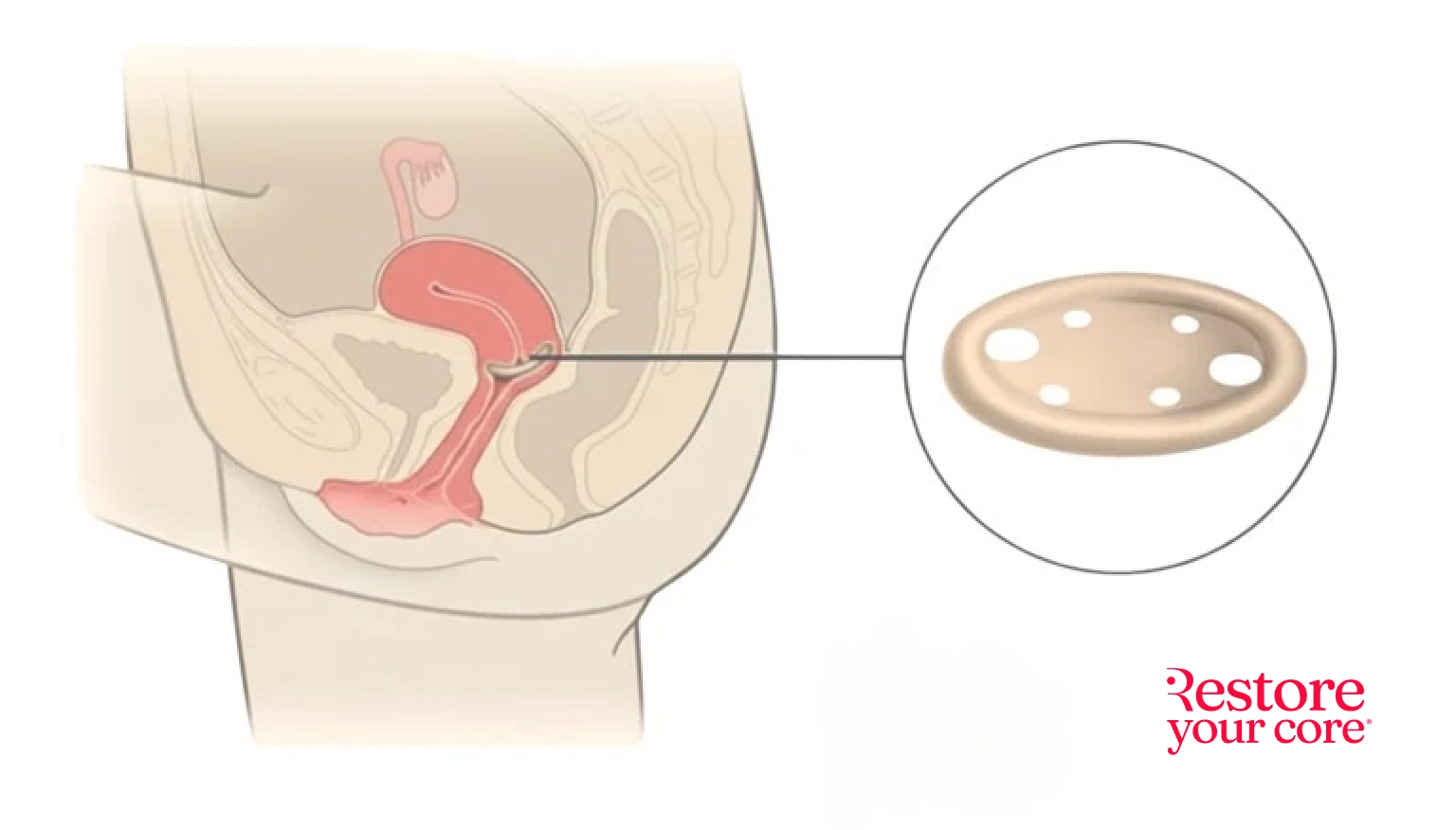
More conservative approaches to treating POP include physical therapy and corrective exercises; sometimes, these approaches include the use of pessaries to support the organs. If there is still no substantial improvement after a year or more of treating symptoms, surgery may be proposed as an option. Some surgeries for POP involve supporting the pelvic organs with uterine-preserving procedures using mesh, sutures, or slings, and sometimes hysterectomy is recommended. Interestingly, for uterine prolapse at least, the success rate of surgeries like uterine suspension vs. hysterectomy are about the same. If you do opt for hysterectomy to treat POP, you will still be at risk for post-hysterectomy prolapse.
Risk Factors for Prolapse After Hysterectomy
Hysterectomy is also well-known to increase the risk of prolapse. The mechanism of this risk is pretty straightforward: removing the uterus means cutting through several muscles and connective tissues. Abdominal hysterectomy is by far the most likely to increase the risk of a later prolapse due to the more extensive nature of the incisions, but vaginal and laparoscopic routes also increase prolapse risk.
Hysterectomy undergone as treatment for pelvic organ prolapse is particularly likely to result in future prolapses, though they may not be as symptomatic. A 2020 study sums up the overall risk best: “In particular, women opting for hysterectomy because of POP should be counseled that the recurrence rate is very high, but the symptom rate is low, and only 21% of them needs additional surgery during the 16 years following the index surgery.”
It’s worth emphasizing their main point: that while anatomically, some form of pelvic organ prolapse may recur, the symptom rate is low. We see this all the time in the Restore Your Core® Facebook community: people resolve their symptoms, but the grade of their prolapse may not change, or their prolapse may not disappear completely.
Signs and Symptoms of Prolapse After Hysterectomy
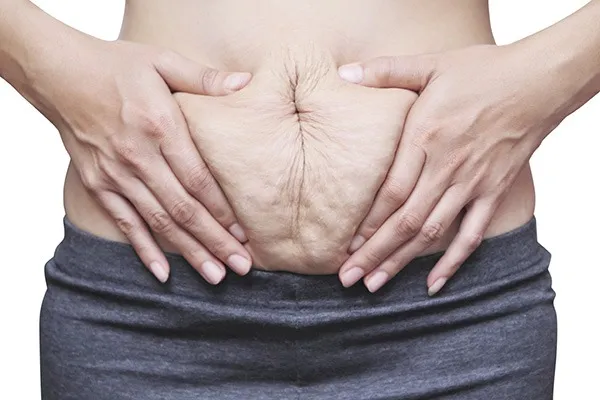
The symptoms of prolapse post-hysterectomy are about the same as what you might experience pre-hysterectomy: a heavy sensation, palpable or visible bulge, urinary leakage/frequency, or constipation might all indicate some form of prolapse. If you’re experiencing any of those symptoms regularly, you should check in with your healthcare provider.
Timeline for Prolapse After Hysterectomy
You’re most likely to experience prolapse in the first 2-5 years after your hysterectomy. In part, this is probably attributable to the drop in estrogen that often follows a hysterectomy, since estrogen affects the strength and elasticity of your tissues, including your pelvic floor.
At the same time, there are studies that show that urinary incontinence, another pelvic floor issue that is sometimes exacerbated by hysterectomy, often doesn’t develop for many years after surgery. You may find that thoughtful rehabbing post surgery prevents POP and other pelvic floor symptoms from developing or getting worse.
Diagnosis and Treatment of Post-Hysterectomy Prolapse
In the immediate post-surgical recovery period, you will likely experience a number of uncomfortable sensations related to recovering from major abdominal surgery: you will need to be patient with your recovery process and not push too hard as you begin to resume your regular activities. If, after the first few weeks of recovery, you feel heaviness in your pelvis, a dragging feeling, or begin having a hard time with bowel movements, check in with your doctor.
Your doctor will probably conduct an internal exam–ideally both standing and lying down, to determine whether your pelvic organs are where they should be. If evidence of prolapse is found, you may be given different options depending on the severity and location of the prolapse, and the intensity of your symptoms.
Non-surgical options include pelvic floor physical therapy or pelvic floor exercises to perform at home. You might be able to use a pessary, depending on how your vaginal canal will handle it.
Because of the drop in estrogen most people experience after a hysterectomy, in some cases, hormone therapy may be recommended to improve the strength and elasticity of the tissues of the pelvic floor.
There are also several different surgical options for post-hysterectomy prolapse, including using mesh to attach the vaginal vault to the tailbone, or a procedure using sutures to attach the vagina to ligaments inside of the pelvis. Your medical provider will be able to discuss these options and their risks with you.
Preventative Measures for Prolapse Post-Hysterectomy
Once you have been cleared for exercise (usually around 6-8 weeks after your surgery), beginning with pelvic floor and core-strengthening exercises, such as those in Restore Your Core® would be a good place to start. While I absolutely want all my clients with prolapse to get back to doing everything they love, because of the higher risk of prolapse after a hysterectomy, I like to remind folks that it can take up to a year after any kind of abdominal surgery to feel back to baseline. Heavy lifting and high-impact activities should not be undertaken without first consulting your doctor. If you’re cleared for those activities, you may want to work with a professional who specializes in training people who have had hysterectomies.
Some further general recommendations: as always, make sure you’re eating well, sleeping consistently, staying hydrated, and managing constipation. If you experience symptoms that may be related to hysterectomy-induced menopause, check in with your doctor about them so that you can find more comfort. More comfort means less likelihood to clench or bear down in your pelvic floor and more ability for your pelvic organs to be well-supported as you move through your life.
While your risk of POP after a hysterectomy is increased, you don’t need to be afraid.
Not everyone who has a hysterectomy necessarily will develop pelvic organ prolapse, and there are many steps you can take to prevent it. Taking your time with recovery, making sure that you check in with your doctor when troublesome symptoms do come up, and being proactive in prioritizing your pelvic floor health are essential to thriving after hysterectomy. And even if you do develop a prolapse, you are not broken, and your body is not a problem. It’s incredibly common and can be effectively managed as a long-term. You deserve to feel at home in your body.
Disclaimer:
The information provided on this website is for educational and informational purposes only and is not intended as medical advice. It is not a substitute for professional medical advice, diagnosis, or treatment. Always seek the advice of your physician or other qualified health provider with any questions you may have regarding a medical condition.