September 10th
Tailbone Wagging for Tailbone Pain Relief and Pelvic Floor Mobility
When working with clients experiencing tailbone pain, many professionals focus solely on the pelvic floor muscles without addressing a crucial component – the tailbone itself. Understanding how to guide your clients through tailbone mobility exercises can transform your approach to pelvic health and provide relief from persistent discomfort.
Understanding Tailbone Pain and Its Impact on Pelvic Health
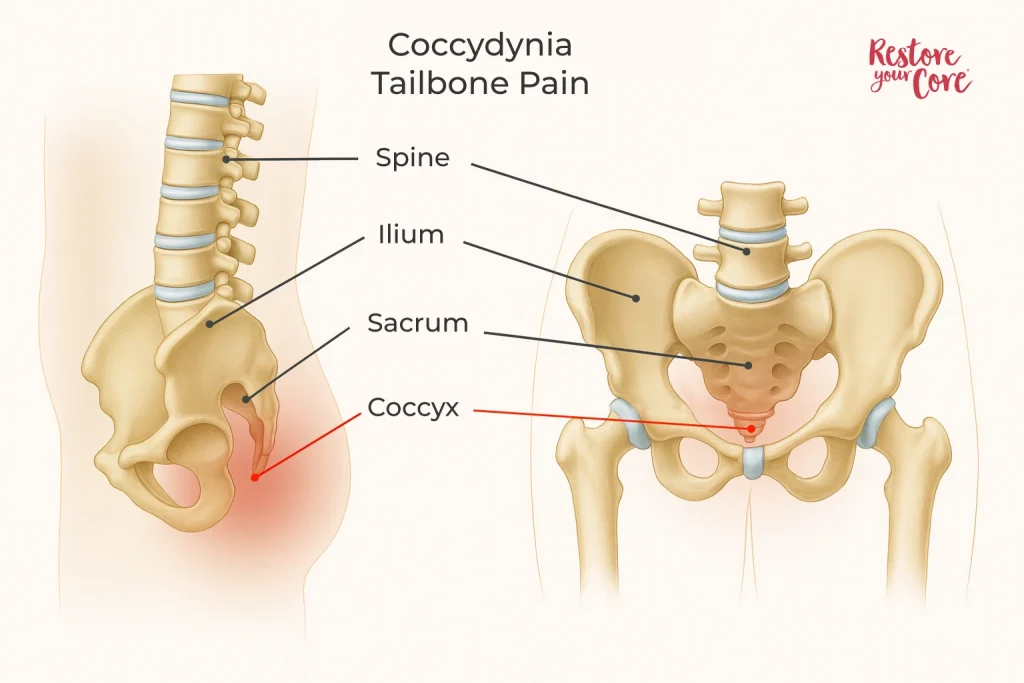
What is the Tailbone, and How Does It Affect Your Body?
The tailbone (coccyx) is the very bottom of the spine, not just a part of the pelvis as many believe. This distinction is important because the tailbone plays a role in both spinal movement and stability, as well as pelvic floor function \[1\]. Surrounding the tailbone are pelvic floor muscles that control essential functions, including urination, defecation, sexual function, and childbirth.
What many practitioners overlook is that the tailbone contains a tiny joint capable of movement. While this movement is subtle, it’s significant due to the numerous muscles connected to this area. Even a slight improvement in mobility in the tailbone can have substantial effects on overall pelvic floor function.
Why Tailbone Mobility Matters for Pelvic Floor Function
Restricted tailbone mobility can be both a cause and a consequence of pelvic floor dysfunction. Understanding the difference between what’s driving the issue and what symptoms may arise is key to effective treatment.
Common Causes of Restricted Tailbone Mobility:
- Habitual postures that push the hips forward, locking the tailbone in place
- Chronic glute or butt gripping
- Muscle tension or guarding in the pelvic floor
- Lack of movement or awareness in the tailbone area
Symptoms That May Be Linked to Tailbone Immobility:
- Tailbone pain
- Hemorrhoids
- Hypertonic (overactive) pelvic floor muscles
- Postural imbalances
- Discomfort or compensation patterns during movement
As pelvic health professionals, addressing tailbone mobility should be a vital part of a comprehensive pelvic floor approach. Ignoring it means we may miss a critical contributor to our clients’ symptoms.
The Benefits of Tailbone Wagging for Pain Relief and Mobility
Tailbone wagging – sometimes I refer to it as “unraveling the anus”– is a gentle movement practice that helps create awareness, sensation, and connection to a part of the body often ignored. This approach facilitates function through movement – allowing the pelvic floor to respond naturally rather than being forced into engagement.
Emerging research highlights the benefits of targeting the sacrococcygeal joint through mobility exercises and manual techniques. These strategies have been shown to significantly reduce pain and improve function in individuals with coccydynia (tailbone pain) \[2\]. By fostering a deeper connection to this region, clients can better map and understand their pelvic floor and lower spine.
How Tailbone Wagging Improves Pelvic Floor Awareness
The benefits extend beyond pain relief. When clients learn to isolate and move their tailbone, they often experience:
- Enhanced proprioception and body awareness
- Improved ability to relax tight pelvic floor muscles
- Greater distinction between different parts of the pelvic floor
- Better coordination and integration of the entire core system
These improvements can be particularly valuable for professionals in our Restore Your Core® Professional Training who are learning to integrate a whole-body approach when working with clients who have pelvic health concerns.
How to Guide Clients Through Tailbone Wagging Exercises
Step 1: Locating the Tailbone and Building Awareness
Before introducing movement, they need to first locate and connect with their tailbone:
- While standing, have them place one foot on a stool for easier access
- Encourage them to feel along their lower spine to find the tailbone
- Guide them to slide their hand down the middle of their buttocks
- The tailbone is the hard bony structure just before the soft tissue begins
- Encourage gentle massage of the tailbone area to create sensory input and awareness
Note: This area can feel sensitive, unfamiliar, or even emotionally charged for some clients. Encourage light, gentle touch, and remind them to move slowly, stay curious, and approach the process with compassion.
This practice helps establish a clear neural map, giving the brain clear evidence that the tailbone exists, has mobility, and can be consciously engaged.
Step 2: Tailbone Wagging Movements for Relief
Once a client has identified their tailbone, explore one or more of the following movement options:
Option 1: Standing Tailbone Wagging
- Stand upright and visualize a yoga strap attached to the tailbone
- Imagine swinging the strap gently forward and backward
- Start with larger movements (involving the pelvis)
- Gradually make the movement smaller, until only the tailbone is shifting
Key Reminder: The goal is to quiet the movement and isolate the tailbone – not to rock the whole pelvis.
Option 2: Supine Tailbone Wagging
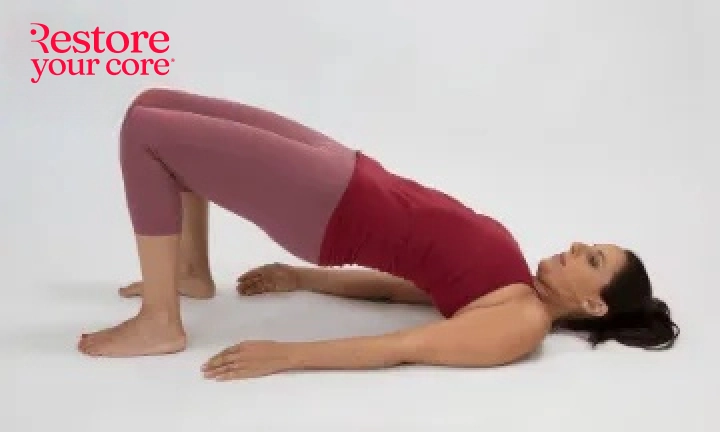
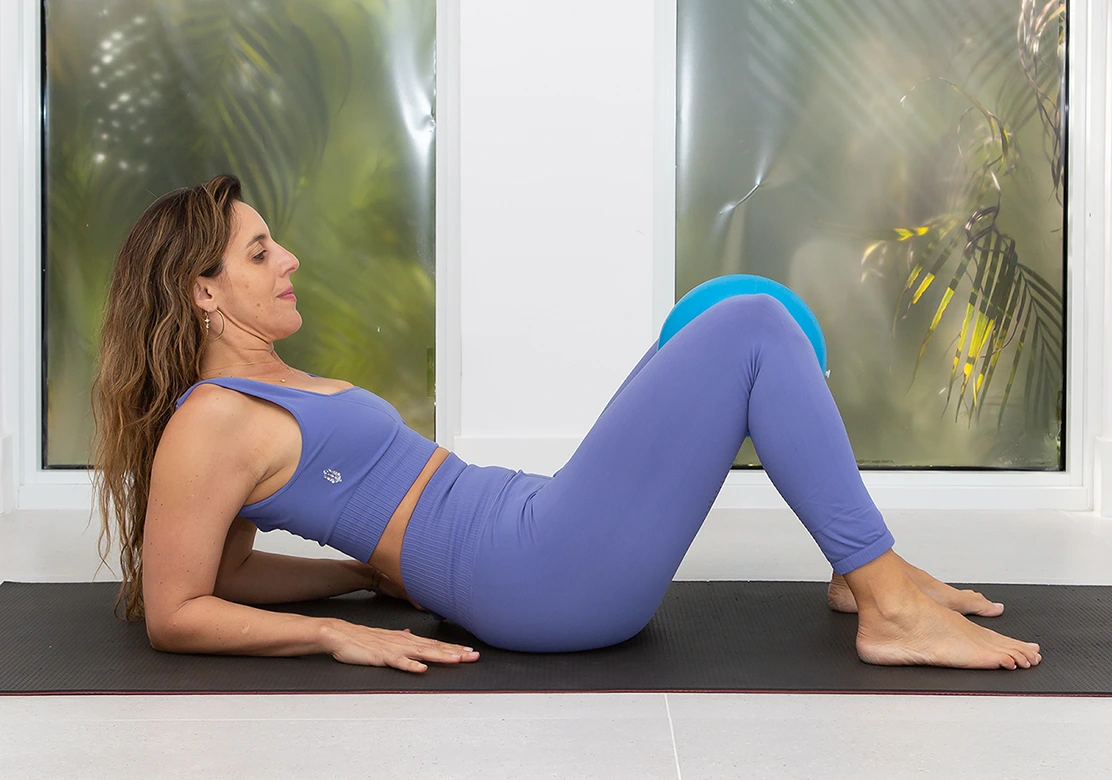
- Lie on your back with knees bent and feet flat on the floor
- Begin with gentle pelvic tilts – tucking and untucking the pelvis
- Gradually reduce the range of motion until only the tailbone is wagging
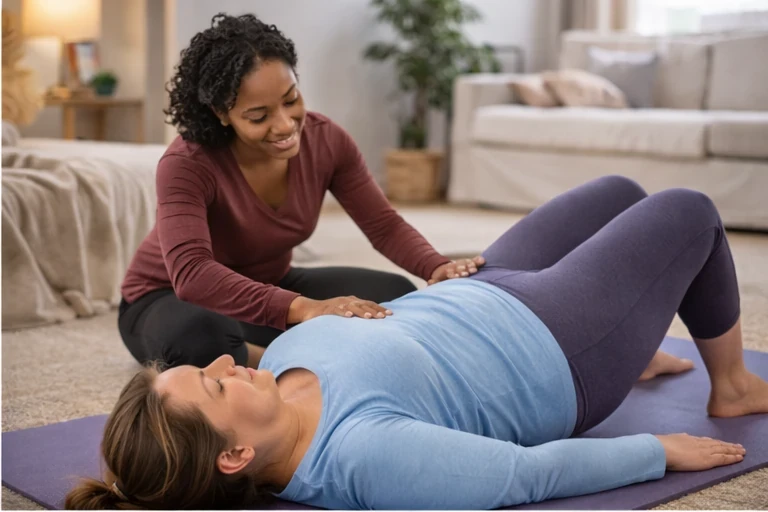
This position provides better feedback and support, making it easier for some clients to sense the movement.
Option 3: Seated Tailbone Wagging
- Sit upright on a firm chair, yoga block, or other stable surface with feet flat on the floor
- It’s important to maintain a neutral spine – no rounding of the lower back
- Begin to tuck and untuck the pelvis, gradually reducing the range of motion until only the tailbone is moving
When to Use Tailbone Wagging for Clients
Tailbone wagging exercises are particularly effective for clients who:
- Have hypertonic (tight) pelvic floor muscles
- Struggle to feel or connect with their pelvic floor
- Find it difficult to fully contract and release their pelvic floor
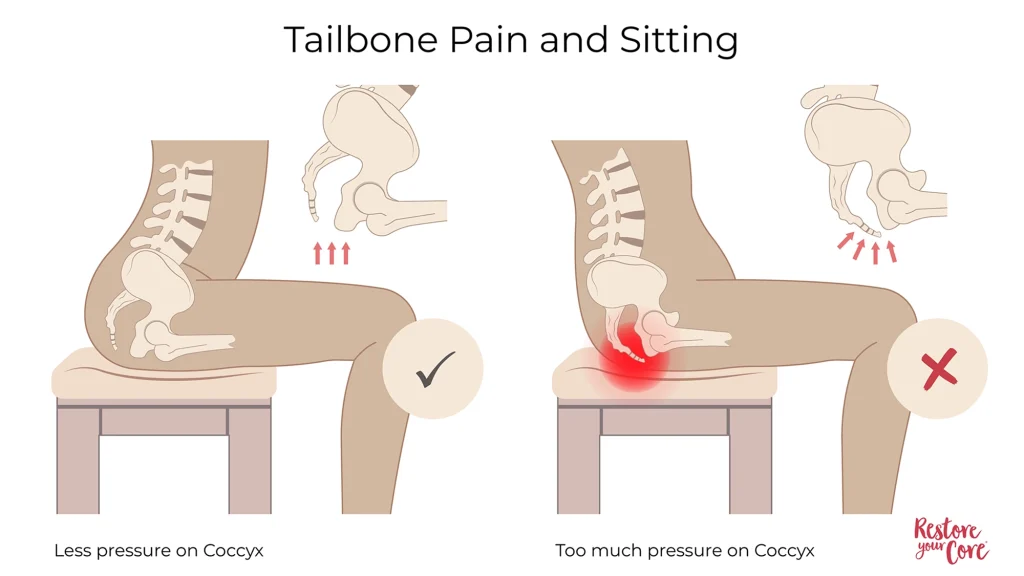
- Experience tailbone pain from prolonged sitting
- Experience tailbone pain after childbirth
- Feel generally disconnected from their pelvic region
While this technique may feel unconventional — since it brings awareness to a subtle and often overlooked area—it can be deeply transformative when approached with consistency and care.
Integrating Tailbone Wagging into Your Practice
Using Tailbone Wagging to Address Postural Imbalances and Muscle Tension
Tailbone mobility work can be a valuable addition to pelvic health and whole-body movement sessions. Consider integrating it:
- As part of your initial assessment to gauge pelvic floor mobility
- During sessions focused on releasing tight pelvic floor muscles
- In combination with breath work to enhance the mind-body connection
- As a take-home exercise to encourage regular practice and reinforce neuromuscular connection
Encouraging Patience and Consistency
Like any movement skill, tailbone wagging takes practice. Clients may require multiple sessions before they can effectively isolate and move their tailbone.
To support their progress, create a gradual, step-by-step practice schedule:
- Start with sensory awareness – help clients find and gently touch the tailbone to build a neural map
- Begin with larger pelvic movements – encourage tucking and untucking to introduce tailbone motion
- Refine to isolated tailbone movement – reduce the range of motion until only the tailbone is moving
- Apply awareness to daily life – integrate tailbone mobility into posture, breath, and functional activities
Evidence supports this approach: A study on manual therapy interventions for coccydynia found that consistent mobilization of the tailbone region over several weeks led to significant reductions in pain and improvements in function \[3\].
Final Thoughts on Tailbone Wagging and Pelvic Floor Mobility
Teaching clients to wag their tailbone is a powerful tool for unlocking pelvic floor mobility, relieving tailbone pain, and restoring functional movement. This approach views the body as an integrated system, with the tailbone serving as an important gateway to pelvic floor function.
For professionals seeking to expand their skills in this area, the Restore Your Core® Professional Training offers comprehensive education and innovative techniques for addressing pelvic floor dysfunction.
By incorporating tailbone mobility work into your sessions, you can help clients move beyond symptom relief and toward long-term recovery, addressing not just what hurts but why it’s happening.
References
- Fujisaki, A., Shigeta, M., Shimoinaba, M., & Yoshimura, Y. (2018). Influence of adequate pelvic floor muscle contraction on the movement of the coccyx during pelvic floor muscle training. Journal of P
- Tufekci, O., Yilmaz, K., Gercek, H., & Sonmez Unuvar, B. (2024). The effectiveness of manipulation in combination with exercise for patients with coccydynia: Six months follow-up of a randomized cont
- Scott, K. M., Fisher, L. W., Bernstein, I. H., & Bradley, M. H. (2017). The treatment of chronic coccydynia and postcoccygectomy pain with pelvic floor physical therapy. PM&R, 9(4), 367–376. https://