September 10th
The Best Incontinence Exercises on YouTube: Why Thousands Turn to Restore Your Core® by Lauren Ohayon
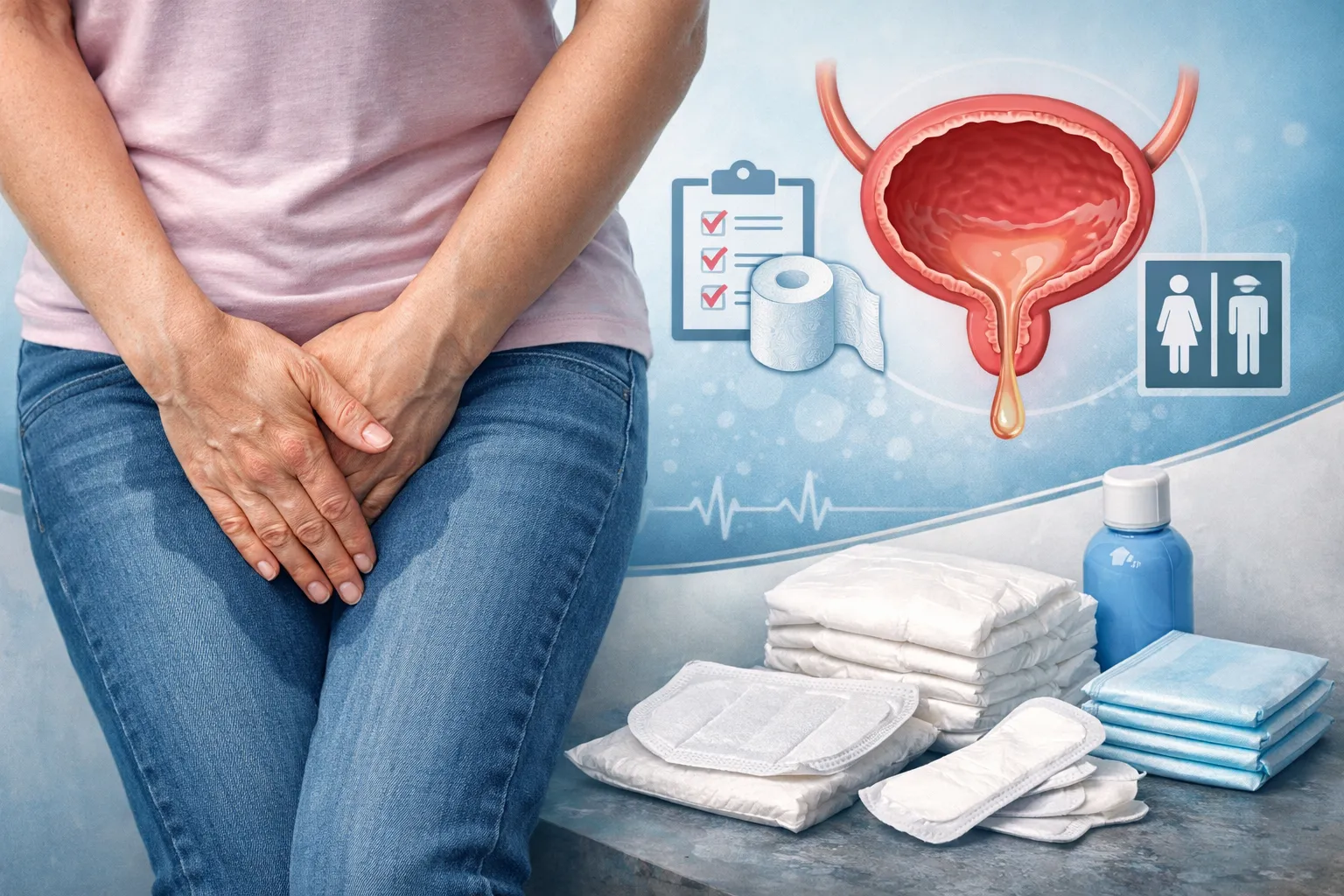
If you’ve ever searched YouTube for help with bladder leaks, you know the landscape: generic Kegel tutorials, quick-fix promises, and a lot of content that skips straight to the exercises without explaining why any of it works.
But when you’re dealing with stress incontinence, urgency, or leaking that just won’t respond to the usual advice, that kind of surface-level guidance doesn’t cut it. You need something that actually addresses what’s driving the problem.
One channel that consistently delivers more than that is **Restore Your Core® by Lauren Ohayon**. Lauren is a pelvic floor movement specialist with over 25 years of experience, and her YouTube channel approaches incontinence the same way her teaching always has: as a whole-body issue, not just a pelvic floor one.
Here’s what you’ll find there – and why it’s worth your time.
Who Does This Channel Support?
Lauren’s incontinence content speaks to a wide range of experiences. Her videos are most helpful for:
- Women dealing with stress incontinence – leaking during a sneeze, laugh, cough, run, or jump
- Those with urgency incontinence or an overactive bladder that keeps them close to a bathroom
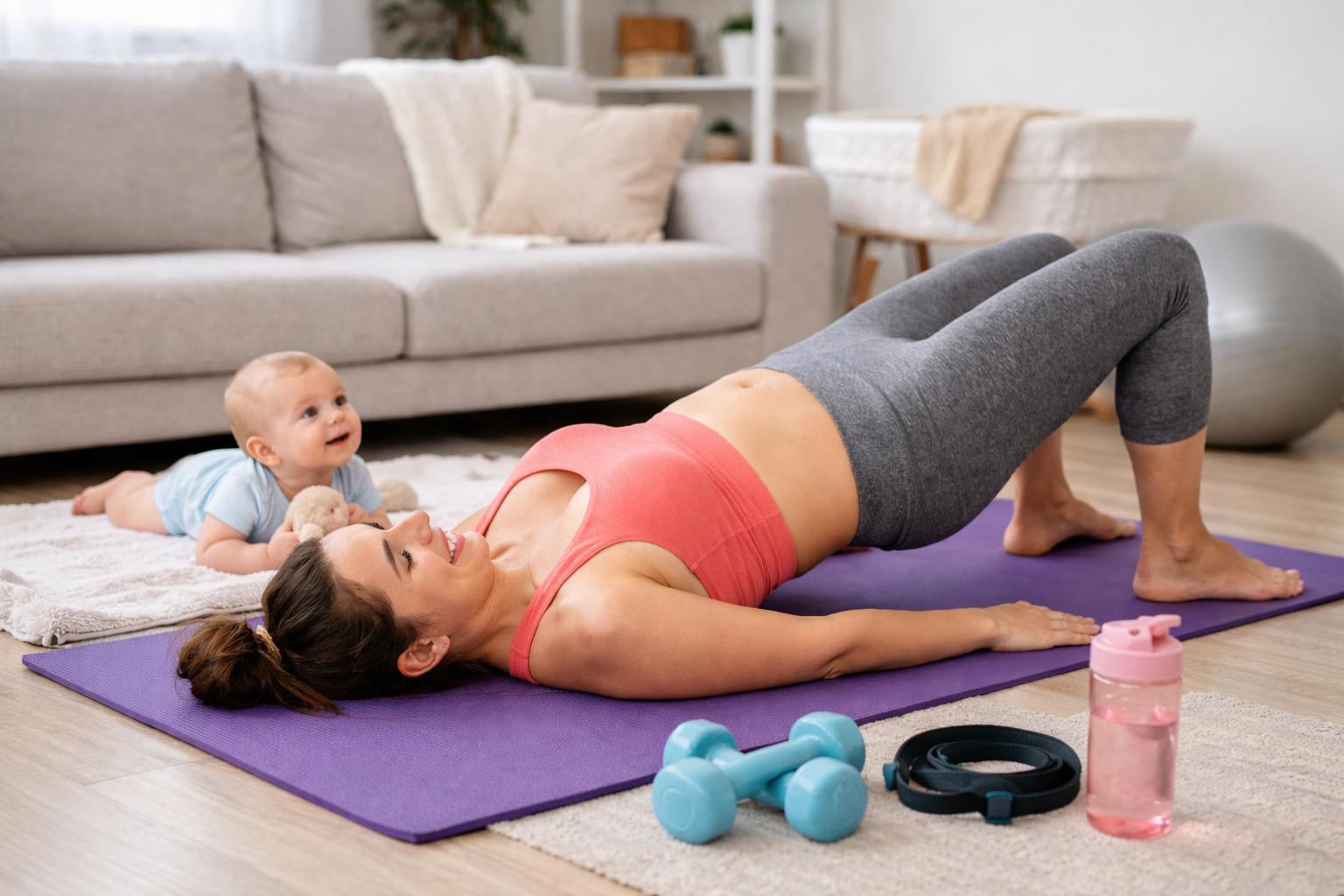
- Postpartum women whose symptoms haven’t resolved months or years after birth
- Perimenopausal and menopausal women noticing new or worsening leaks
- People who’ve done Kegels without results and aren’t sure what to try next
- Anyone who has been told to simply “do your pelvic floor exercises” without any real explanation
- Women post-hysterectomy or other pelvic surgery navigating unexpected changes in bladder control
What Will You Actually Learn About Incontinence?
Rather than prescribing a single exercise and moving on, Lauren’s content teaches you the underlying mechanics – because understanding why you’re leaking is half the battle.
Across her incontinence-focused videos, you’ll learn how to:
- Understand what types of incontinence exist and which one you’re most likely experiencing
- Recognize how pressure management, not just muscle weakness, drives most leaking
- Coordinate breath with movement so your pelvic floor responds reflexively rather than reactively
- Retrain the habit of “just in case” peeing that actually worsens bladder control over time
- Use hip and inner thigh mobility to take unnecessary load off your pelvic floor
- Understand why incontinence after hysterectomy or childbirth has specific considerations
- Build whole-body movement patterns that reduce leak frequency without relying on endless squeezing
This kind of education underpins the **RYC® 12-Week Program**, Lauren’s fully structured online method for core and pelvic floor rehabilitation, which has guided over 10,000 healing journeys across 80+ countries.
Top Incontinence Videos to Start With
Here are some of the most helpful incontinence-focused videos on the **Restore Your Core® YouTube Channel**:
- **At What Age is it “Normal” to Pee Your Pants?**
- **Incontinence Post Hysterectomy | Is Leaking Pee After Surgery Normal?**
- **Stop Peeing ‘Just In Case’ | Retrain Your Bladder for Better Function**
- **Active Stretch For Inner Thighs & Hips | Relieve Pelvic Pain, Prolapse, Incontinence, Low Back Pain**
- **Hip Workout to Help Heal Prolapse, Pelvic Floor, Incontinence, Leaking Pee | Healing Beyond Kegels**
- **How to Walk to Support Your Pelvic Floor Health | Better Walking – Healing Prolapse and Incontinence**
- **4 Exercises for Runners Who Leak Pee**
- **Leaking Urine When Running? **
You can also explore the full **Incontinence & Leaking Pee Playlist here**.
Why Does Restore Your Core® Take This Approach to Incontinence?
1\. Pressure Management, Not Just Muscle Strength
Most incontinence programs assume the problem is a weak pelvic floor and the solution is to strengthen it. Lauren’s approach begins somewhere different: with how your body manages pressure during movement, breath, and everyday activity. Leaking, in most cases, reflects a pressure coordination issue – and training the pelvic floor in isolation rarely resolves that.
2\. Breath as a Foundation
How you breathe determines how pressure moves through your trunk. If breath mechanics are disrupted – something that happens commonly postpartum, during stress, or through years of habitual movement patterns – the pelvic floor ends up bearing load it isn’t designed to carry alone. Lauren’s YouTube content consistently returns to this, and it’s one of the primary reasons her approach produces results where other programs have failed.
3\. Whole-Body Integration
Hips, low back, posture, walking patterns, nervous system regulation – all of these feed into how well the pelvic floor functions. The channel reflects this understanding in every video. You won’t find content that tells you to just contract and release a muscle group. You’ll find content that teaches you how your whole system is either supporting or working against your pelvic health.
4\. Evidence-Informed and Professionally Respected
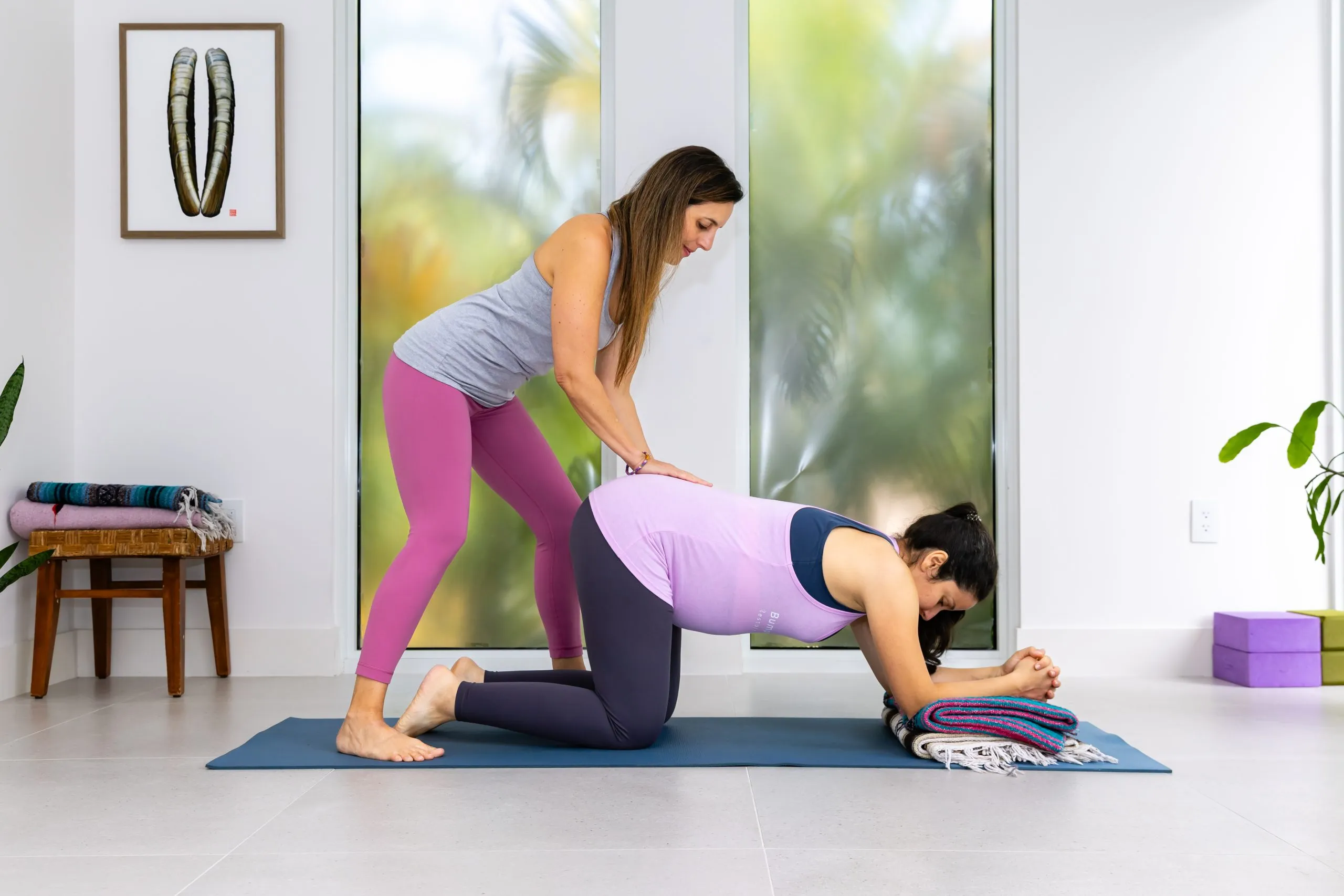
The Restore Your Core® method is recommended by OBGyns, pelvic floor physical therapists, and a wide network of health and movement professionals. Lauren’s work has informed the practice of over 500 trained professionals across fields including urogynecology, occupational therapy, chiropractic care, and physical therapy. The YouTube channel reflects the same foundations the professional training is built on.

From Free Videos to a Structured Healing Path
The channel is a genuine resource – not a sampling reel. Many women make meaningful progress with Lauren’s free YouTube content alone.
For those who want a complete, progressive program with all four stages of rehabilitation, peer community, and a choice of support levels, the **RYC® 12-Week Program** takes everything the channel introduces and builds it into a structured, at-home plan. Members receive lifetime access, including all future revisions – the program is currently in its third fully updated edition, shaped by over a decade of real-world member feedback and professional collaboration across 80+ countries.
If the videos resonate and you’re ready to go deeper, the **RYC® 12-Week Program** gives you the full progression – structured, at-home, and built around the same principles you’ll see across Lauren’s channel.
FAQ
Yes. The RYC® 12-Week Program is built around four progressive stages – from foundational breath and posture awareness through to functional strength and movement integration – all of which directly support bladder control and leak reduction. Incontinence is one of the primary conditions the program is designed to address, alongside prolapse, diastasis recti, and other pelvic floor symptoms.
Absolutely. Many members begin with Lauren’s free YouTube content, build familiarity with her approach, and then move into the RYC® 12-Week Program when they’re ready for more structure. There’s no fixed entry point – you start wherever feels right.
The RYC® 12-Week Program offers three tracks: Essentials (self-paced), Guided (structured with pacing and motivation), and Coached (with personalized support from a certified RYC® coach). For most people managing incontinence symptoms, Guided is a strong starting point – it provides enough structure to build consistent habits without being overwhelming. Those who want accountability and individualized feedback may find Coached the most valuable.
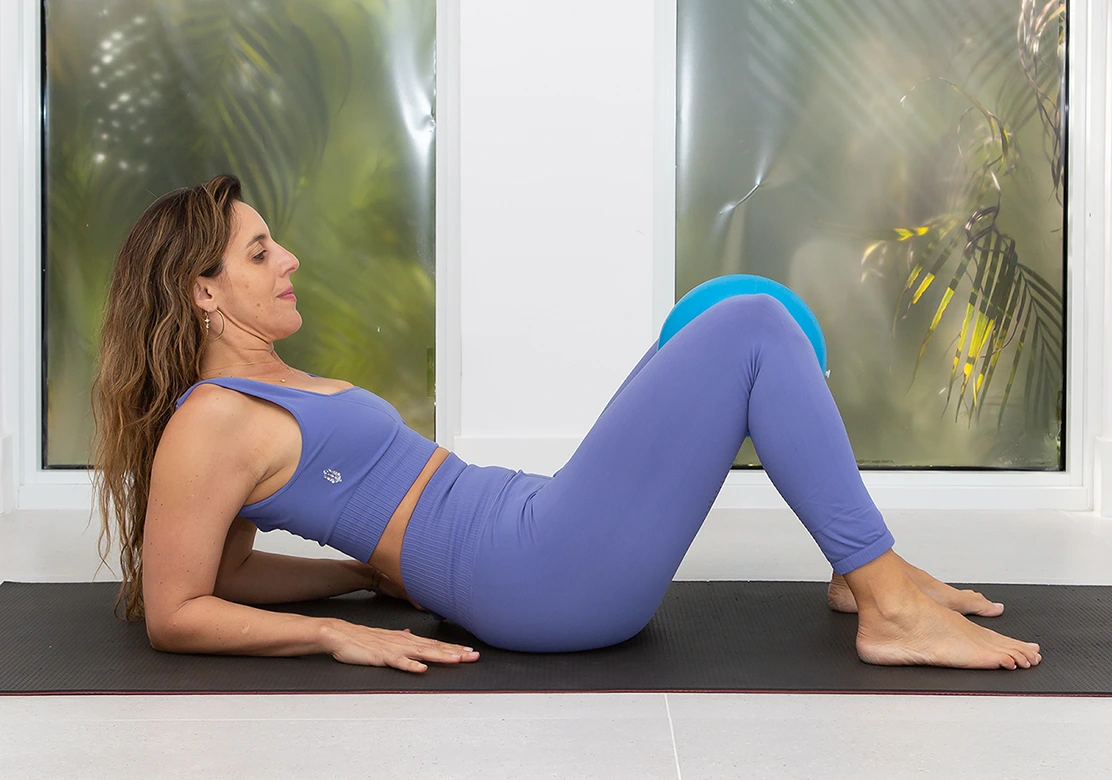
Most videos require nothing more than a mat and a clear space. Some sessions incorporate a small ball or resistance band, and Lauren typically demonstrates without any equipment so you always have an accessible option.
Kegels strengthen one part of a much larger system. Leaking is most often a pressure management issue – driven by how the whole body coordinates breath, posture, and movement – rather than a simple muscle weakness problem. Restore Your Core® is built around this understanding – retraining breath mechanics, load distribution, and movement patterns so the pelvic floor responds reflexively, without relying on conscious squeezing.
It’s common, but it’s not something you simply have to accept. Declining estrogen affects the tissue of the urethra and bladder, and shifts in abdominal fat distribution alter how pressure moves through the trunk. These are real physiological factors – but they don’t make leaking inevitable or permanent. Many women begin the RYC® 12-Week Program during perimenopause and find lasting improvements in bladder control through whole-body movement retraining.
For many women, yes – particularly when avoidance habits like frequent “just in case” bathroom trips become ingrained, gradually reducing the bladder’s functional capacity. Early intervention gives your body more to work with. The earlier you begin retraining, the more responsive your system tends to be – which is why a structured approach like Restore Your Core® is worth starting sooner rather than later.
Stress incontinence is leaking triggered by physical pressure – a cough, sneeze, laugh, or jump. Overactive bladder is a sudden, intense urge to urinate that’s hard to defer, often even when the bladder isn’t full. Many women experience both at once, which is called mixed incontinence. The RYC® 12-Week Program addresses all three by working on the pressure, breath, and movement coordination that underpins all forms of urinary leaking – not just the symptom on the surface.
Programs like Every Mother, MUTU System, and Pelvic Floor Strong each offer their own approach to pelvic floor rehabilitation, and some women find them helpful. Where Restore Your Core® stands apart is in its depth of whole-body integration – treating incontinence as part of a full system involving breath, posture, nervous system regulation, and movement retraining rather than an isolated pelvic floor problem. With lifetime access, three support tracks, professional endorsement from OBGyns and pelvic floor PTs worldwide, and over a decade of refinement across 10,000+ member journeys, it’s one of the most comprehensive options available without a referral.
No – and it’s worth pushing back on the idea that this is simply the price of being a woman or having had children. Leaking during running, jumping, or lifting is a sign that the body’s pressure management system needs retraining, and in most cases it responds well to the right kind of structured rehabilitation. Programs like Restore Your Core® are specifically designed to help active women retrain their core and pelvic floor so they can return to the movement they love – without having to plan around leaks or give things up entirely.
Yes – but the type of exercise matters enormously. Standard Kegels alone are rarely enough because postpartum leaking is often rooted in how the whole system – breath, pressure, posture, and core coordination – was affected by pregnancy and birth, not just muscle weakness. Programs like Restore Your Core® take a whole-body approach to postpartum rehab, addressing the full picture rather than targeting the pelvic floor in isolation – which is why many members see results even years after giving birth, when isolated exercises hadn’t moved the needle.