September 10th
The Connection Between Exercise and Bloating: What Every Professional (and Their Clients) Need to Know
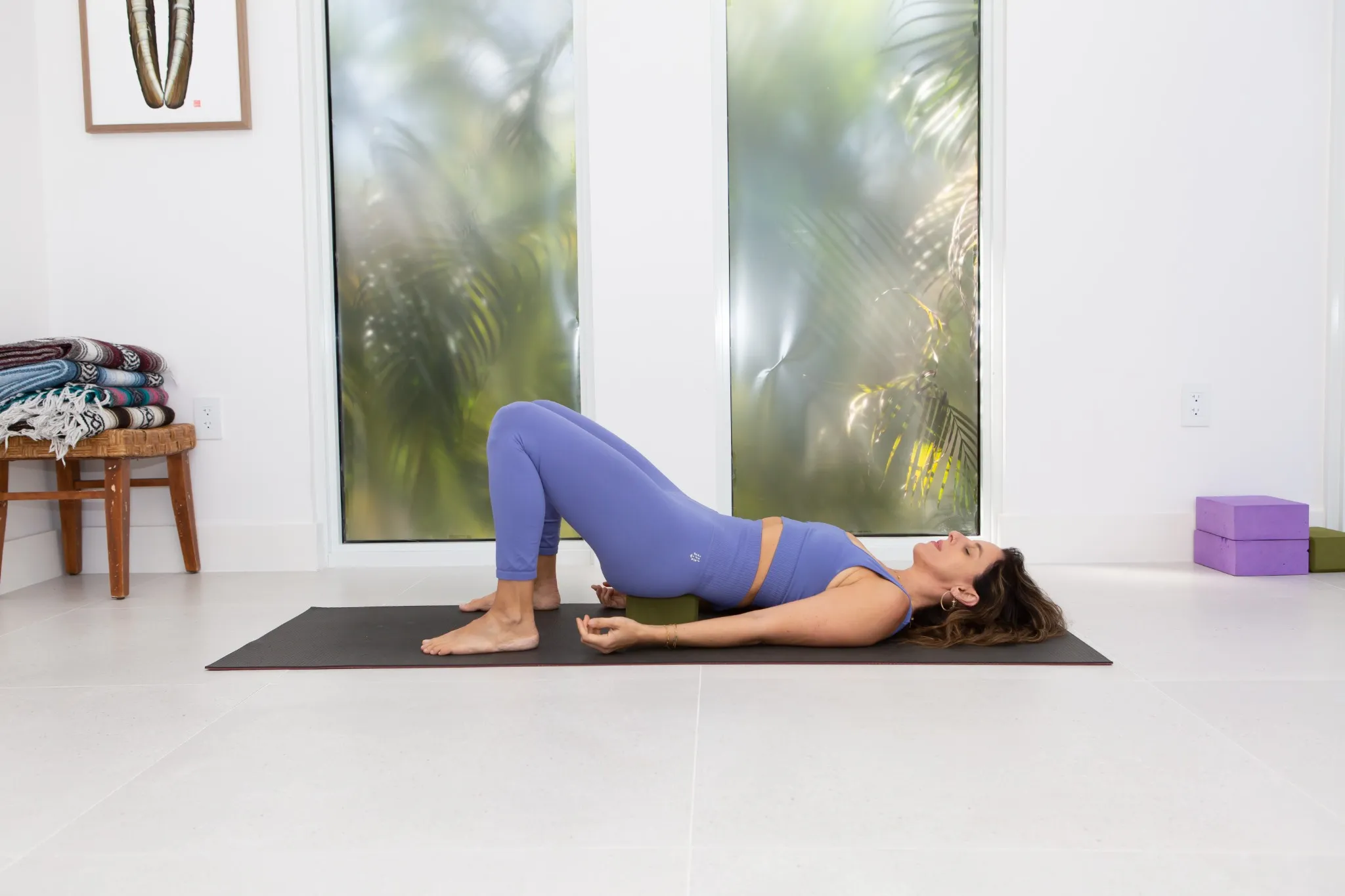
We often assume bloating is strictly a “what you eat” issue – an extra scoop of beans, too much dairy, the usual suspects. But here’s something many professionals underestimate: pelvic floor and deep core function can be key players in exercise-related bloating. Recognizing this can transform how you guide your clients.
Why Bloating Isn’t Just About Digestion
When clients experience post-workout bloating – feeling puffy and uncomfortable – it’s easy to chalk it up to food or hydration. But the truth is, movement applies pressure not only to muscles and joints, but to the whole core system: diaphragm, abdominal wall, and pelvic floor.
If this pressure system isn’t responding well, bloating can be amplified and even persist. But when it’s balanced, movement can support healthy digestion.
For some clients, particularly those with irritable bowel syndrome (IBS), exercise can be a double-edged sword. Gentle, consistent activity like walking or yoga often helps reduce IBS-related bloating by stimulating the digestive system. However, intense or high-impact workouts may temporarily worsen abdominal discomfort, gas, or bloating. Recognizing IBS as a contributing factor allows professionals to tailor exercise prescriptions with more precision.
The Pelvic Floor – Bloating Loop
Here’s the cycle many people (and even many practitioners) miss:
- Bloating raises intra-abdominal pressure, and a tense pelvic floor may clamp down subconsciously – limiting the ability to release gas or have a complete bowel movement.
- This tension can keep the gut from moving efficiently, encouraging more gas buildup and discomfort.
- At the same time, consistently gripping the core (breath-holding, bracing) disrupts pressure flow – digestion and pelvic floor response can both suffer.
Highlighting how pelvic floor dysfunction can impact digestive coordination, one review emphasizes how weak or uncoordinated pelvic floor muscles can impede normal bowel movements – leading to constipation and bloating. Pelvic floor therapy has, in some cases, led to over a 50% reduction in bloating via improved muscle coordination.
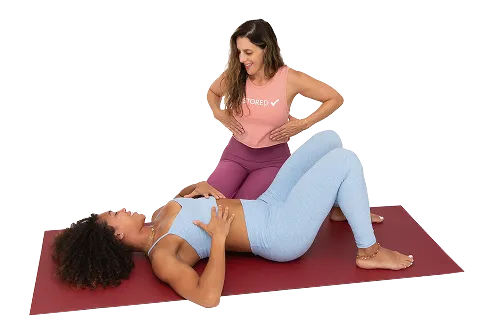
When Exercise Helps, and When It Doesn’t
Positive effects: Movement – like walking, targeted core work, and breath-integrated training – boosts circulation and digestion.
When it worsens bloating: High-intensity, high-impact sessions without proper recovery or awareness of breath and pelvic mechanics can aggravate the issue.
Moreover, evidence suggests combining core stabilization with pelvic floor training leads to more sustained pelvic floor strength (and by extension, pressure regulation) than pelvic floor training alone.
Clients with irritable bowel syndrome (IBS) may notice this balance is especially important. Research shows that moderate, steady exercise like walking or yoga can ease IBS-related bloating by improving gut motility and reducing stress. On the other hand, intense workouts may sometimes worsen abdominal discomfort or bloating in people with IBS, making individualized programming essential.
Why This Matters in Your Programming
Most fitness programs isolate the abs or pelvic floor and overlook their functional interplay under load. At RYC®, we nurture the entire pressure system – including diaphragm, deep core, and pelvic floor – to move intelligently and breathfully under challenge.
That’s why the RYC® 12‑Week Program exists – to help clients retrain this system. And for professionals like you: our RYC® Professional Training gives you the assessment tools and movement strategies to address bloating at its root.
A Real-World Snapshot
I had a runner who always felt bloated post-run. Her diet was clean. No GI pathology. Her movement, though – that told a different story. Breath-holding on hills and a gripping core meant her pelvic floor was in constant tension. Once we brought in breath awareness and shifted her core dynamics (through principles I teach in RYC® training), the bloating cleared, her pelvic symptoms improved – and she rediscovered ease in movement again.
The Final Takeaway for Pros
Bloating isn’t just a digestion issue – it’s a movement and pressure management issue. Strengthening the interplay between the diaphragm, core, and pelvic floor can shift your clients’ experience from uncomfortable to empowered.
If you’re ready to support that change – either for yourself or your clients – consider the RYC® 12‑Week Program for restoration and the RYC® Professional Training for elevation. Want to see how others have transformed from bloated and blocked to calm and confident? Our RYC® Success Stories says it all.
References
- Dikici Yagli, M., et al. (2025). Efficacy of core stabilization exercises in women with stress and stress‑dominant mixed urinary incontinence. International Urogynecology Journal. SpringerLink+
- Ruscio, M. D. (2023). What Causes Bloating and How to Prevent It. Beat bloating with pelvic floor therapy, including exercises and biofeedback interventions. Dr. Michael Ruscio, DC