September 10th
The Foot to Pelvic Floor Connection: A Whole-Body Approach to Movement and Health

As a pelvic floor movement specialist, I’ve spent years exploring the intricate connections within the human body. One connection that continually fascinates me is the relationship between our feet and our pelvic floor. It’s a link that’s often overlooked, yet it’s fundamental to how we move, breathe, and function in our daily lives.
Understanding the Foundation
Let’s start with a simple truth: our feet are our foundation. They’re the first point of contact with the ground, and they play a crucial role in how we interact with our environment. But they’re not just isolated structures – they’re intimately connected to our entire kinetic chain, including our pelvic floor.
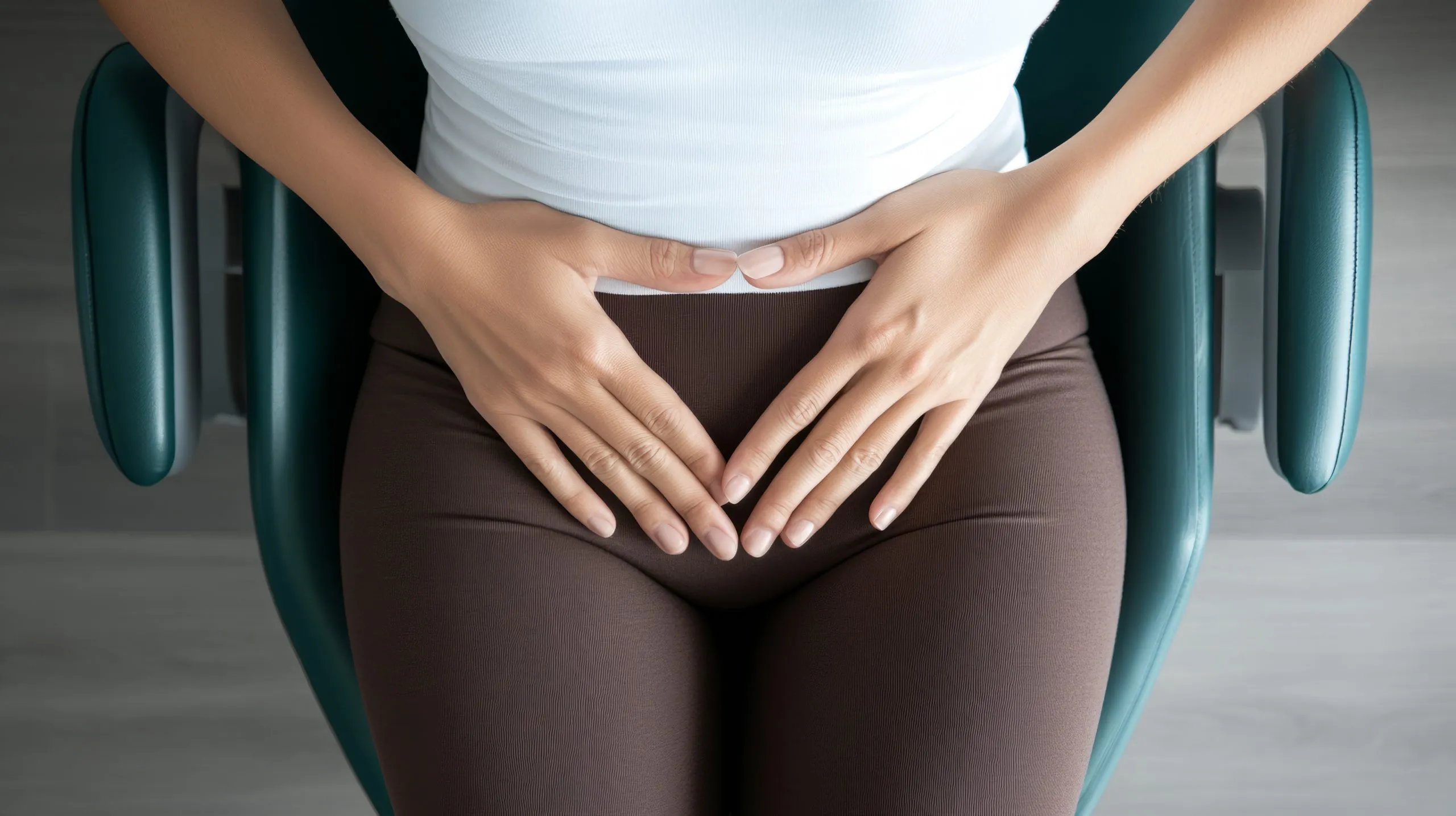
The pelvic floor, a group of muscles spanning the bottom of our pelvis, is often thought of in isolation. We’re told to “do our Kegels” or “engage our core,” but rarely do we consider how these actions relate to the rest of our body, especially our feet.

The Fascial Connection
One of the primary ways our feet and pelvic floor are connected is through fascial lines. Fascia, the connective tissue that runs throughout our body, forms a continuous network from our feet all the way up to our head. The superficial backline, in particular, runs from the bottom of our feet up the back of our legs and connects directly to our pelvic floor.
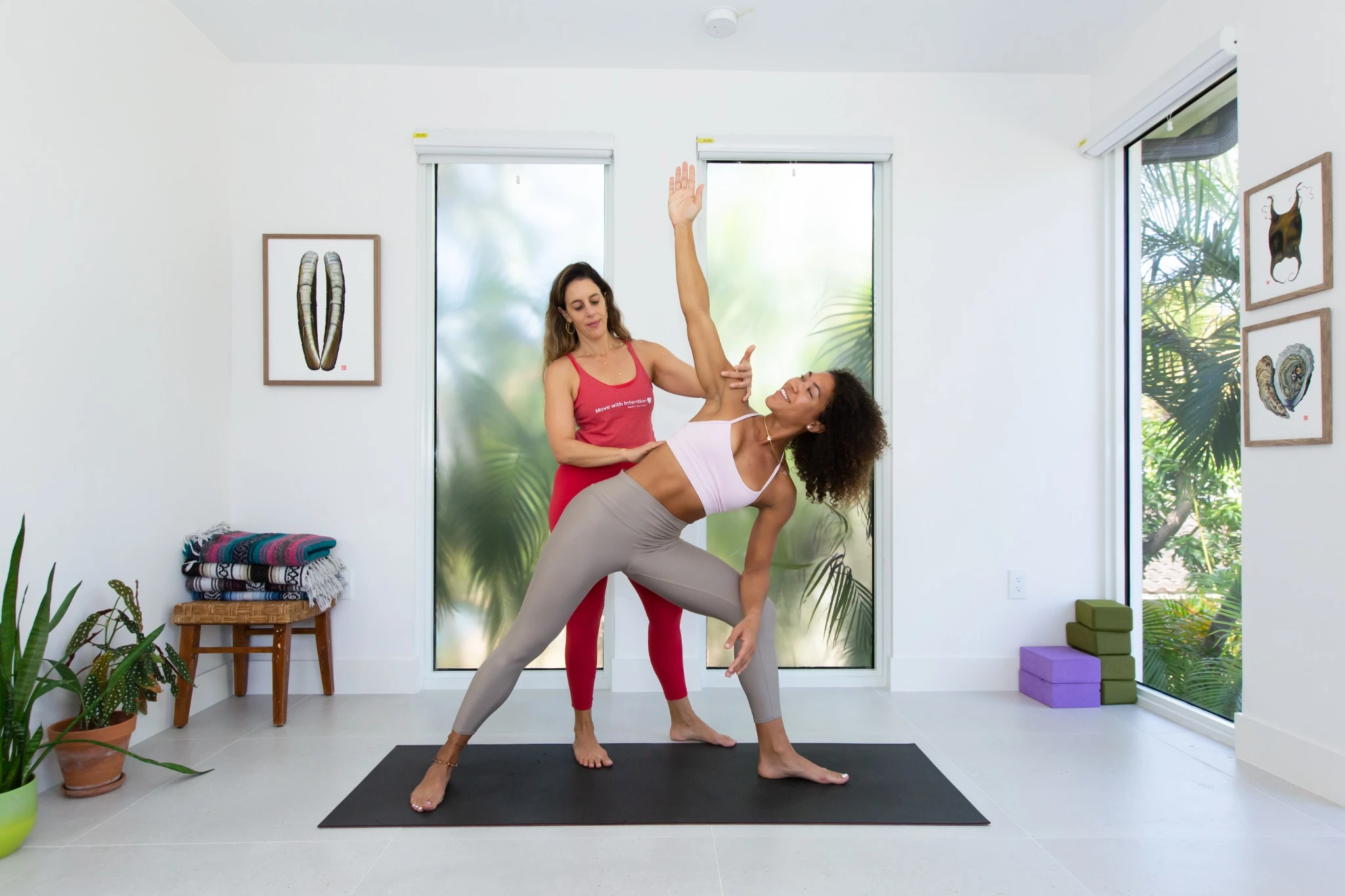
This fascial connection means that tension or dysfunction in our feet can directly impact our pelvic floor and vice versa. This is why, when working with clients using my Restore Your Core® Method, I sometimes start by addressing foot mobility and strength to improve pelvic floor function.
The Neurological Link
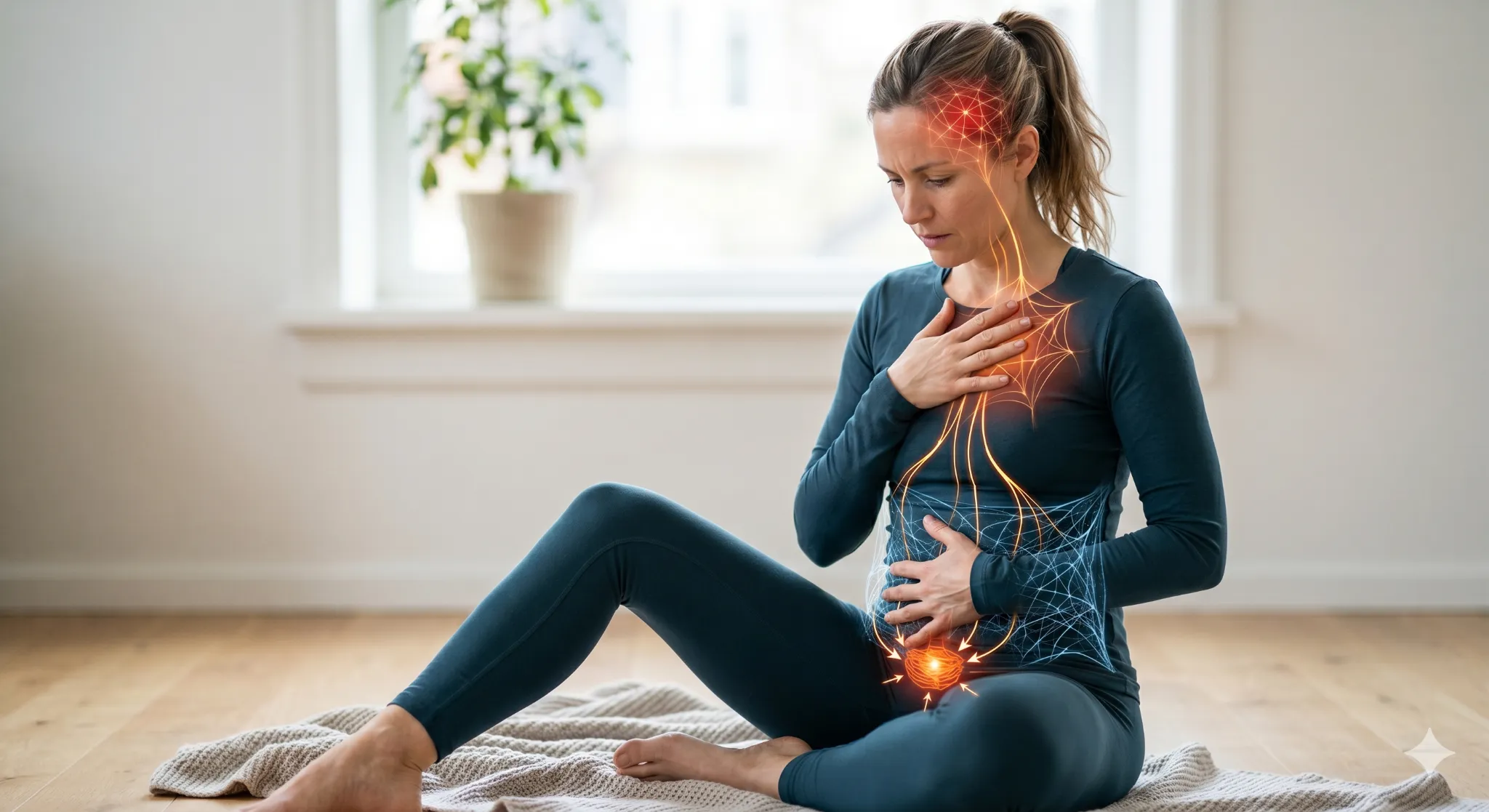
Beyond the physical connection, there’s also a neurological link between our feet and the pelvic floor. Our feet are incredibly sensitive: packed with nerve endings that provide constant feedback to our brain about our position in space and the surface we’re standing on.
This sensory input plays a crucial role in how our entire body, including our pelvic floor, responds to movement and load. When we walk, run, or jump, the sensory information from our feet helps our pelvic floor anticipate and respond to the incoming forces.
The Impact of Modern Lifestyles
Unfortunately, modern lifestyles often compromise this foot-pelvic floor connection. Restrictive footwear, long hours of sitting, and walking on flat, uniform surfaces all contribute to decreased foot mobility and sensory input. Over time, this can lead to a disconnect between our feet and pelvic floor, potentially contributing to issues like incontinence, pelvic pain, and even hip and back pain.
In my practice, I often see clients who’ve been focusing solely on pelvic floor exercises, yet they’re not seeing the results they want. When we broaden our approach to include foot health and overall movement patterns, that’s when we start to see real, lasting changes.
Practical Steps for Better Foot-Pelvic Floor Health
So, what can you do to improve this foot-pelvic floor connection? Here are some practical steps:
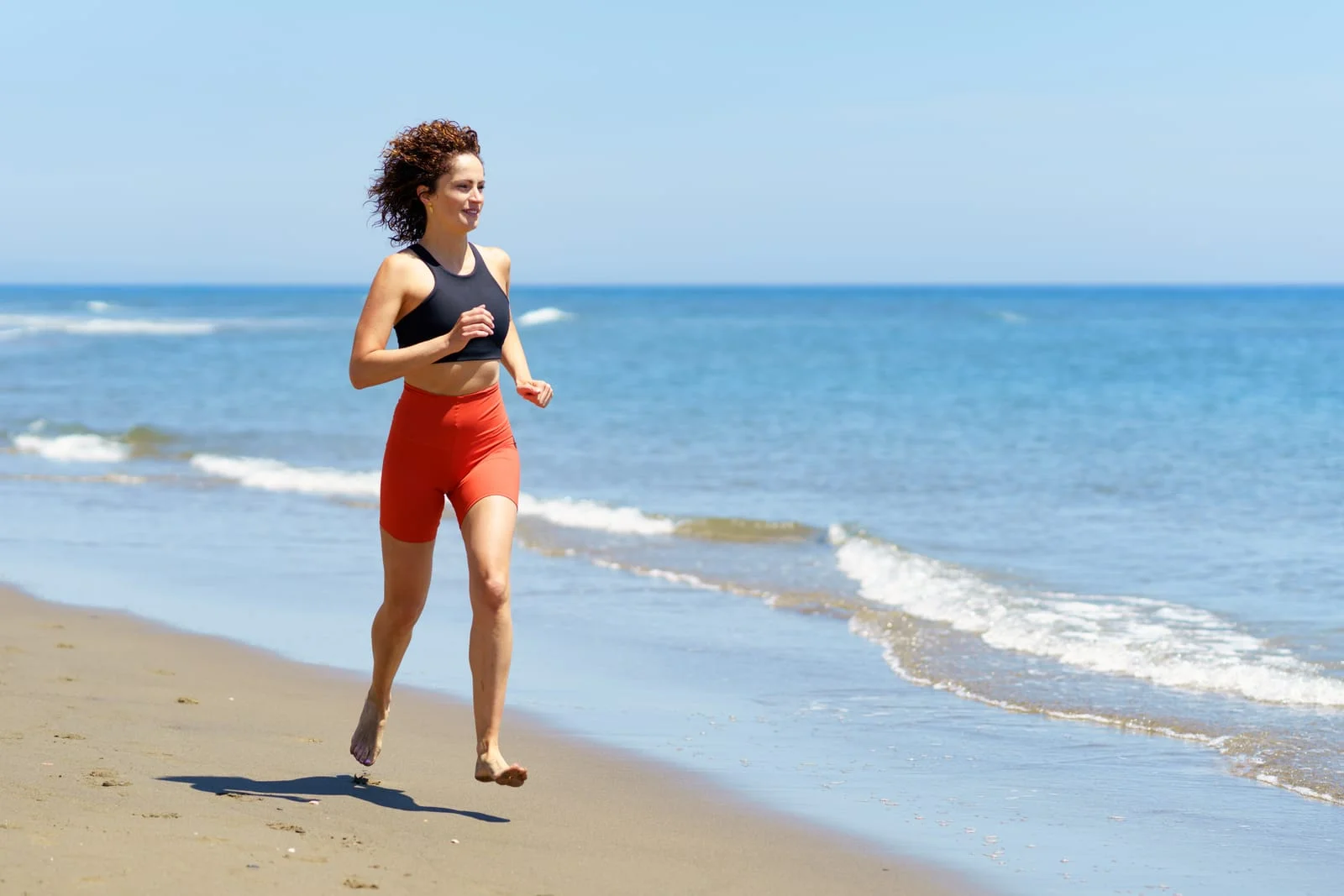
- Prioritize barefoot time: Spend some time each day walking barefoot on various surfaces. This helps stimulate the nerve endings in your feet and improves proprioception.
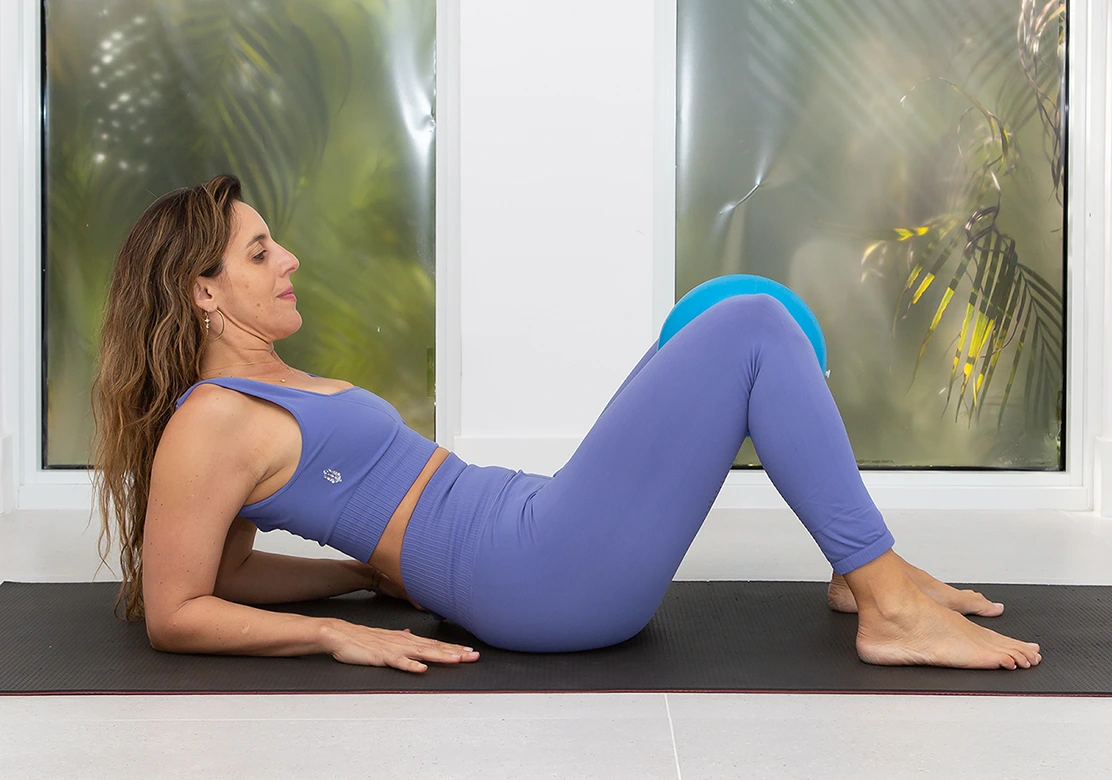
- Improve foot mobility: Simple exercises like toe spreads, ankle rotations, and foot doming can help improve the mobility and strength of your feet.
- Mindful walking: Pay attention to how you walk. Are you striking hard with your heel? Rolling through your foot? Simply being aware of your gait can be the first step to improvement.
- Choose supportive but not restrictive footwear: Look for shoes that allow your feet to move naturally while still providing necessary support.
Conclusion
Understanding the connection between our feet and the pelvic floor opens up new possibilities for improved movement, reduced pain, and better overall function. It’s a testament to the interconnected nature of our bodies and a reminder that true health comes from a holistic, whole-body approach.
In the Restore Your Core® program, we take a whole-body approach to pelvic floor health. We understand that the pelvic floor doesn’t function in isolation but as part of an integrated system that includes the feet, core, diaphragm, and beyond.
Our 12-week program includes targeted exercises and movement strategies that address not just the pelvic floor but the entire kinetic chain. We work on improving foot strength and mobility, optimizing breathing patterns, and creating better overall movement strategies.
If you’re dealing with pelvic floor issues or if you simply want to improve your overall movement health, I encourage you to explore this holistic approach. You can learn more about the Restore Your Core® program here.
Remember, every step you take is an opportunity to reinforce this connection and improve your overall health. So the next time you’re out for a walk, take a moment to feel the ground beneath your feet, and appreciate the complex, beautiful system that allows you to move through the world.
By nurturing this foot-pelvic floor connection, you’re not just addressing isolated symptoms – you’re paving the way for better movement, improved continence, reduced pain, and a stronger foundation for overall health. And that’s something worth stepping into.