September 10th
Understanding Pelvic Organ Prolapse: What You Need to Know

If you’ve recently noticed changes in your pelvic floor health, you’re not alone. Pelvic organ prolapse (POP) affects about 50% of women at some point in their lifetime. While this statistic might seem concerning, understanding what pelvic organ prolapse is and how to manage it can help you take control of your health and well-being.
What is Pelvic Organ Prolapse?
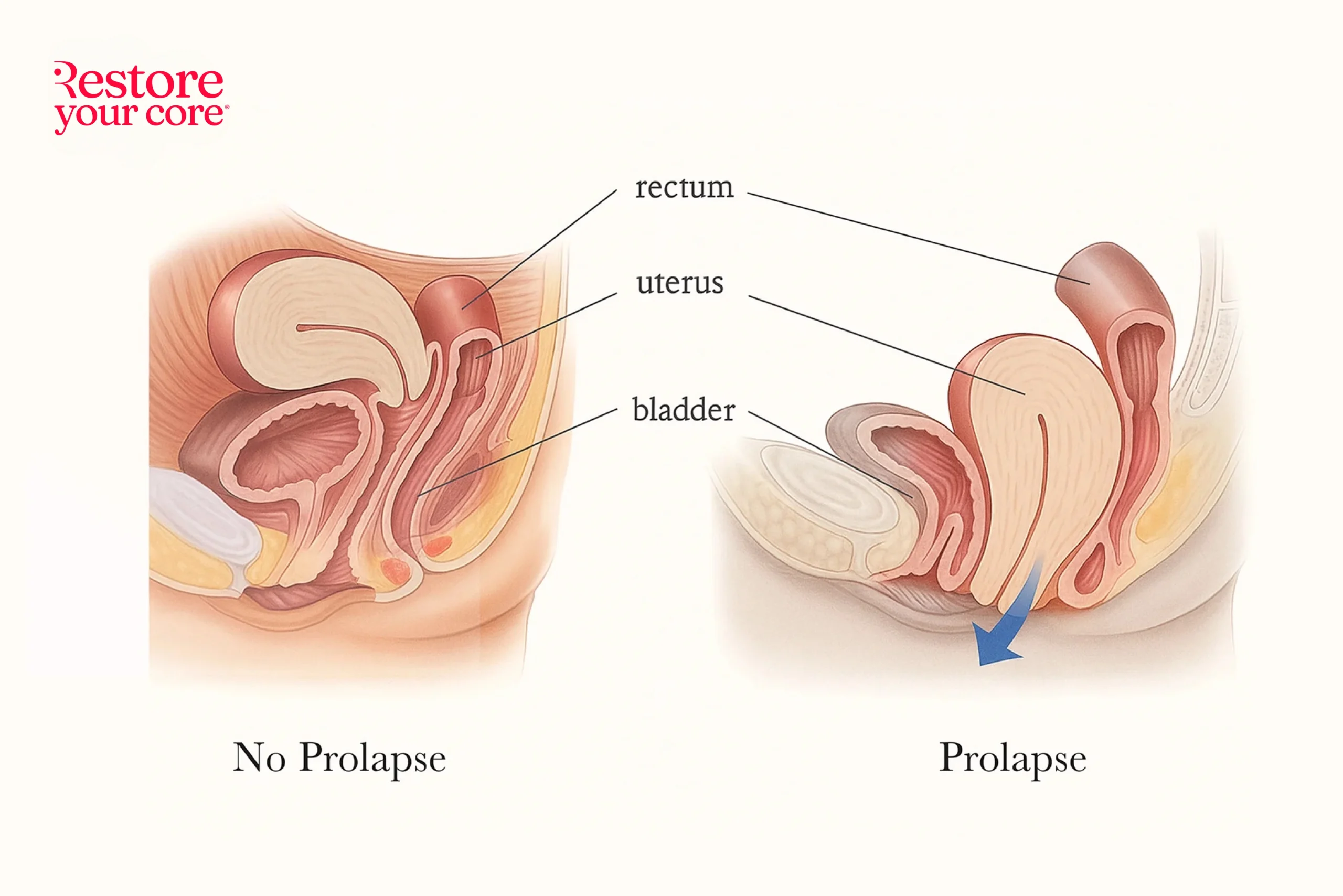
Pelvic organ prolapse occurs when one or more pelvic floor organs move toward or into the vaginal canal. This happens due to weakening of the muscles and ligaments that support the pelvic floor. While pregnancy and childbirth are common factors in developing POP, they’re not the only causes – many people who have never been pregnant develop prolapse, too.
Types of Pelvic Organ Prolapse
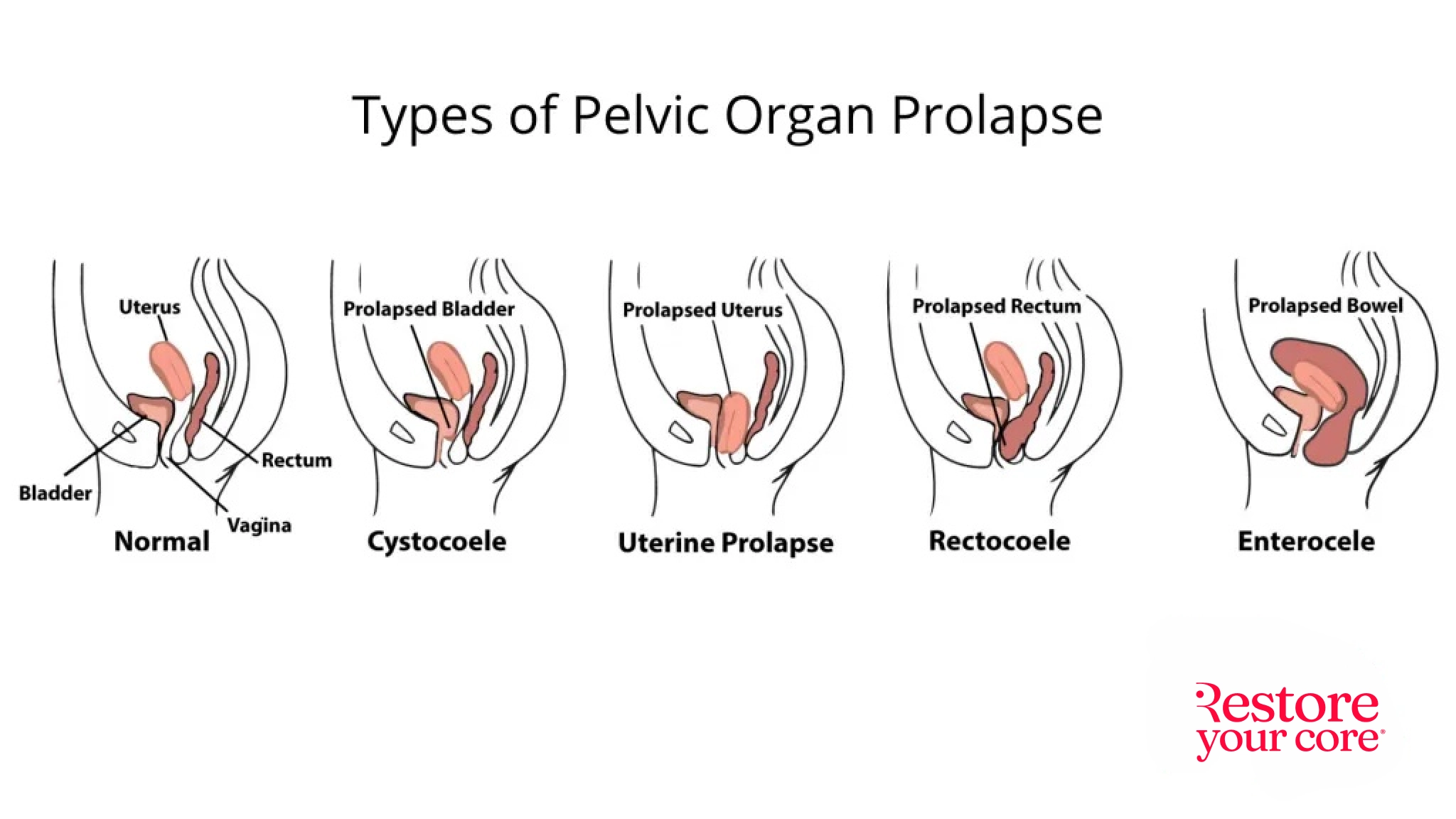
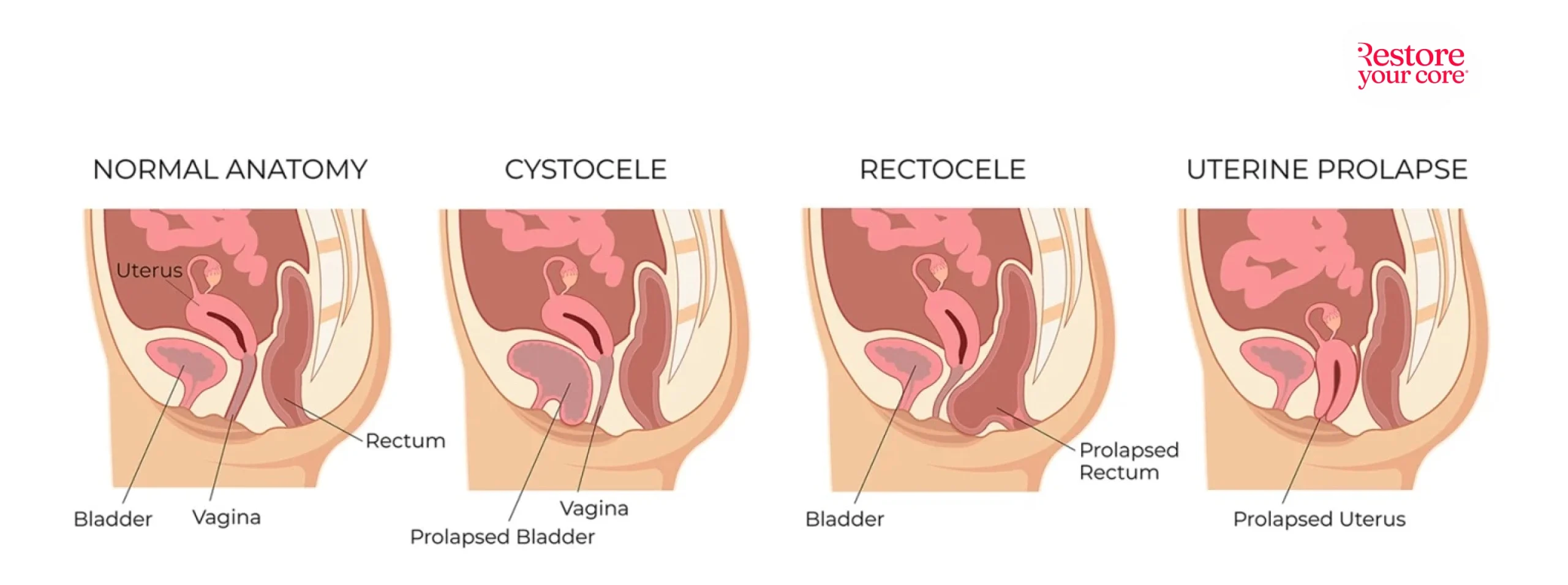
There are several types of prolapse:
- Bladder Prolapse (Cystocele): Most common type, where the bladder descends into the vaginal canal
- Posterior Vaginal Prolapse (Rectocele): The rectum bulges into the vagina
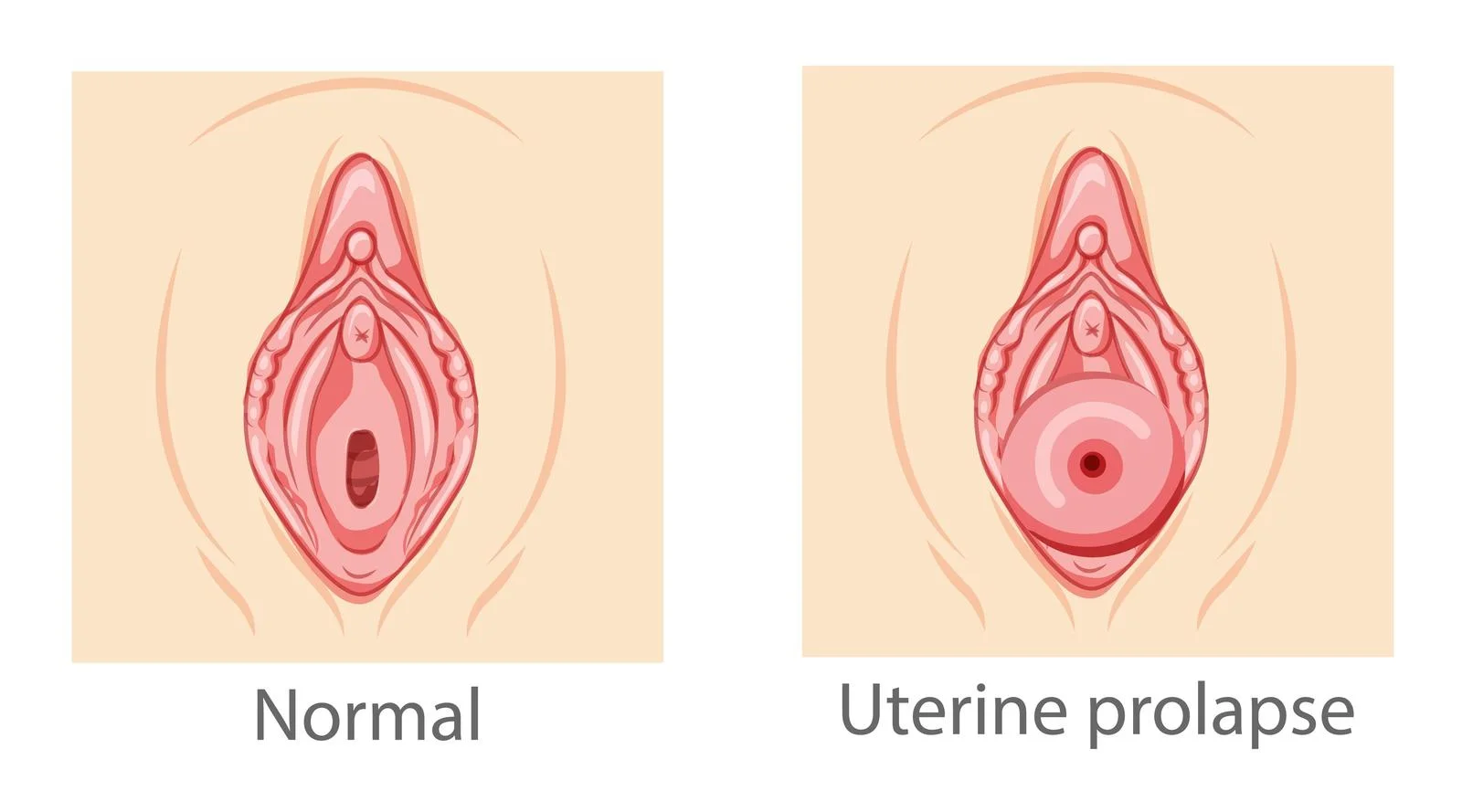
- Uterine Prolapse: The uterus drops down into the vaginal canal
- Small Intestine Prolapse (Enterocele): The small intestine pushes against the vaginal wall
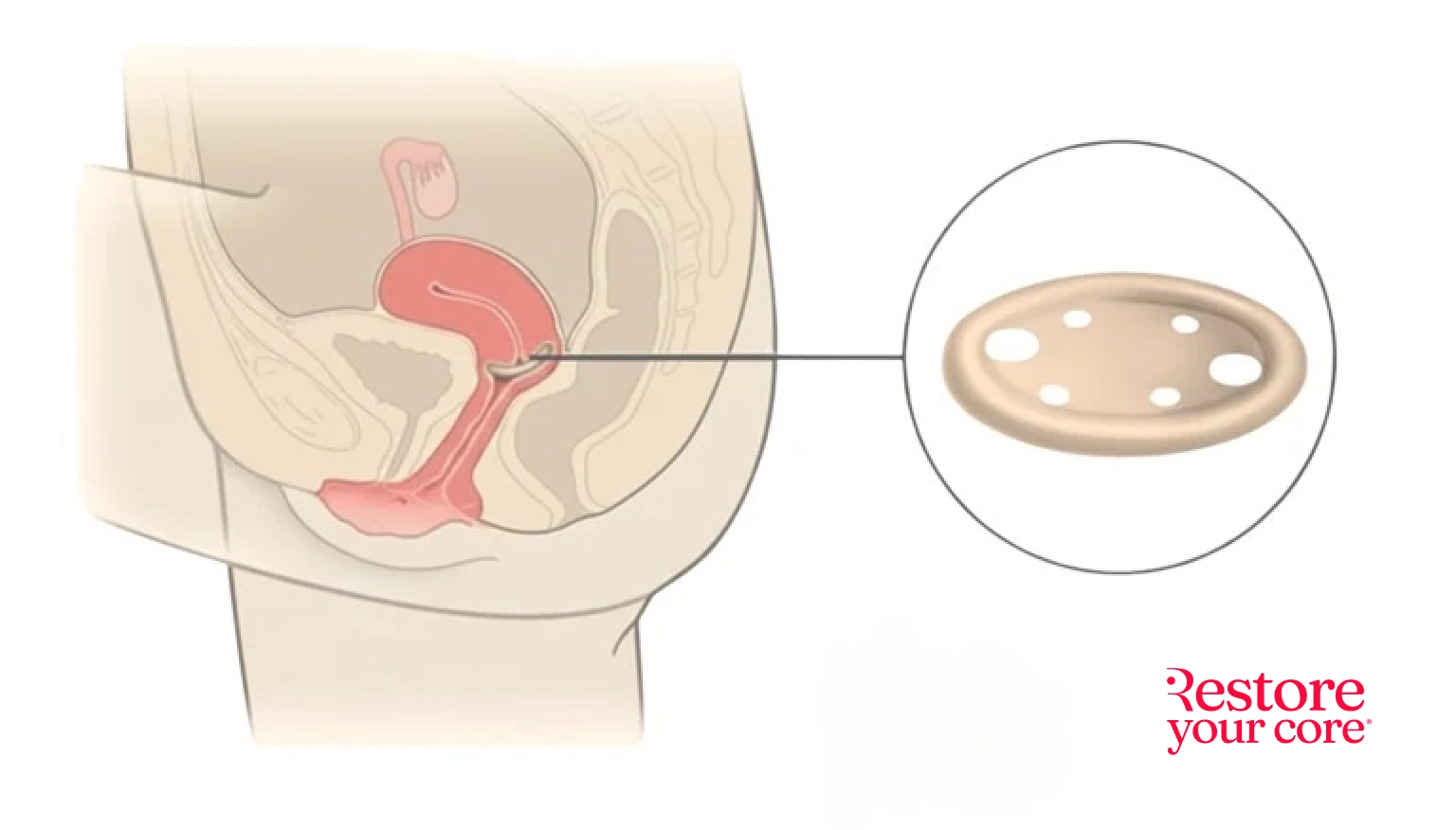
- Vaginal Vault Prolapse: The top of the vagina drops due to weekend support structures, often after a hysterectomy
Pelvic Organ Prolapse Stages
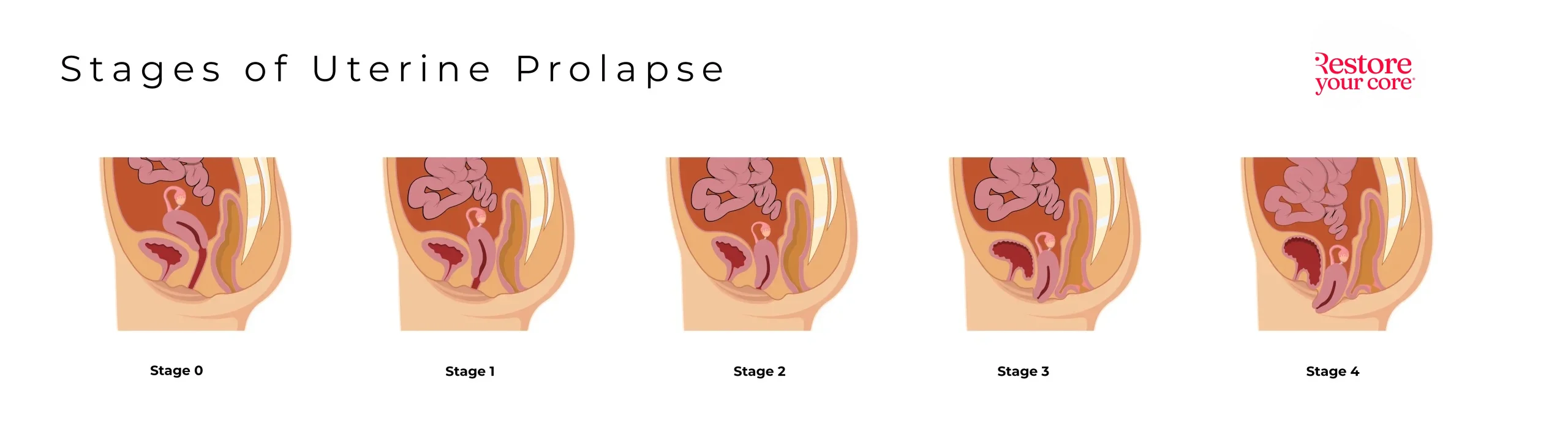
Healthcare providers classify pelvic organ prolapse in stages, which helps them determine appropriate treatment options. The staging system measures how far the prolapsed organ has descended:
- Stage 0: No prolapse; the pelvic organs are fully supported.
- Stage 1: The pelvic organ has dropped slightly but remains more than 1 cm above the vaginal opening.
- Stage 2: The pelvic organ descends to the vaginal opening and may protrude slightly, less than 1 cm beyond the opening.
- Stage 3: The pelvic organ protrudes more than 1 cm beyond the vaginal opening but is not fully outside the body.
- Stage 4: The pelvic organ is completely outside the vaginal opening (complete prolapse).
It’s important to note that symptoms don’t always correlate directly with stages – some people with early-stage prolapse may experience significant symptoms, while others with more advanced stages might have fewer symptoms. This is why treatment plans are based on both the stage of prolapse and how it affects your daily life.
Pelvic Organ Prolapse Symptoms
How do you know if you have pelvic organ prolapse? Common symptoms include:
- A feeling of heaviness or dragging in the pelvis or pelvic floor
- A “stuck tampon” sensation
- A bulge you can feel or see in your vagina
- Urinary issues (incomplete emptying, leaking)
- Bowel problems (incontinence, constipation)
- Discomfort during intercourse
Sometimes, prolapse has no symptoms and is discovered during a routine exam.
What Causes Pelvic Organ Prolapse?
Several factors can contribute to developing prolapse. One key concept to understand is intra-abdominal pressure – the pressure that occurs within your abdomen. When excessive, this pressure can place more load on your pelvic floor than it’s designed to handle. Think of your pelvic floor muscles as a supportive hammock for your pelvic organs. These muscles are designed to hold up your reproductive system, bladder, rectum, and small bowel. However, they don’t always function optimally. However, they don’t always work as they should—they might be overloaded, too tight, or not strong enough.
Contributing Factors
- Pregnancy and childbirth
- Chronic increased intra-abdominal pressure
- Heavy lifting
- High-impact activities
- Chronic coughing
- Age-related tissue changes
- Genetic factors affecting tissue strength and elasticity
- Obesity
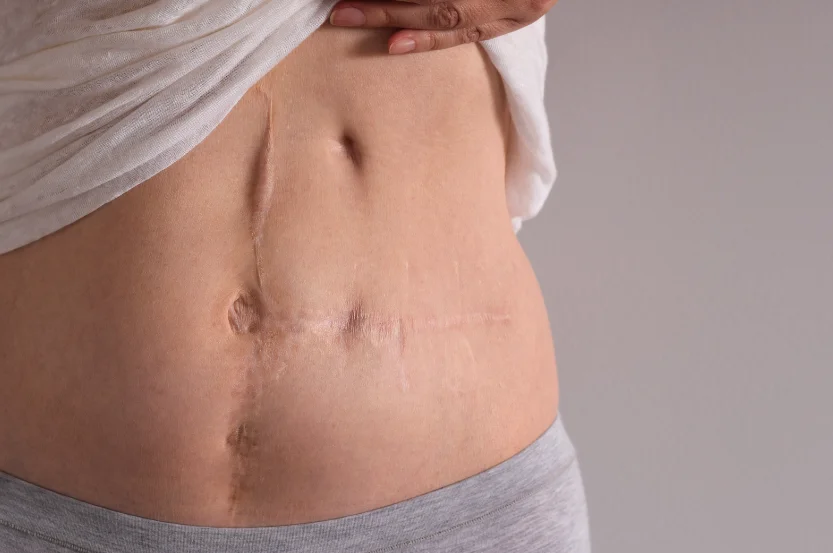
- Previous pelvic surgeries
- Hormonal changes
The relationship between pelvic floor disorders and age is particularly important. As we age, we experience changes in connective tissue and neuromuscular function. Additionally, conditions that become more common with age, such as obesity, pulmonary disease, and diabetes, can increase the risk of developing prolapse. During pregnancy, increased intra-abdominal pressure, muscle imbalances, and the additional load can worsen an existing predisposition to prolapse. However, even without pregnancy, prolapse can still develop if other risk factors are present. Understanding these causes helps explain why a whole-body approach to treatment is essential. Rather than focusing solely on the prolapsed organ, we need to address the entire system contributing to the organ’s displacement.
Exercising with Pelvic Organ Prolapse
Exercising with prolapse starts with understanding how to manage pressure in your body. Three key areas to focus on:
1\. Breathing Mechanics
Your breath directly affects pressure in your abdomen. Rather than pushing your belly out when you breathe, focus on expanding your ribs three-dimensionally. This helps manage the pressure on your pelvic floor.
2\. Alignment
How you hold your body matters. Many people push their hips forward without realizing it, which can strain the pelvic floor. Learning to stand with your pelvis in a neutral position can help reduce symptoms.
3\. Safe Movement Practices
Some activities can make prolapse symptoms feel worse:
- Jumping
- Running
- Heavy lifting
- Long walks
- Pushing heavy strollers uphill
- Cycling
- Horseback riding
This doesn’t mean you can never do these activities again – but you may need to modify them or take a break while building better core and pelvic floor strategies.
Steps for Supporting Recovery
Step 1: Reduce Pressure
How you breathe matters. Many people unknowingly have limited rib and thoracic mobility, which restricts proper breath mechanics and increases intra-abdominal pressure. This excess abdominal pressure can place unnecessary strain on the core and pelvic floor, affecting their ability to function optimally.
The three-dimensional rib breath, taught in Restore Your Core®, helps distribute pressure evenly, allowing your core and pelvic floor to function more effectively. By shifting how you breathe, you create a strong foundation for pelvic health.
Step 2: Check Your Alignment
The way you hold your body throughout the day affects the health of your pelvic floor. Many people push their hips forward when standing, which puts the pelvic floor muscles at a disadvantage. Over time, this can lead to imbalances and dysfunction.
By making small adjustments to your alignment, you can reduce unnecessary strain and create a more supportive foundation for movement. While changing posture habits may feel awkward at first, with time and consistency, your body will adapt.
Step 3: Connect With Your Pelvic Floor
With pelvic organ prolapse, the imbalances of the pelvic floor muscles are usually hard to feel and perceive. The common advice to “do your Kegels” can sometimes make things tighter and harder to sense. The key to healing is awareness – when we understand what our muscles are or aren’t doing, we can begin to resolve imbalances. Without this awareness, we often continue in habit mode, running the same motor patterns.
To shift things in our pelvic floor, we need to shift these habitual patterns. But first, we need to “know” our pelvic floor: understand what engaging it feels like, what releasing it feels like, and how to control both contracting and releasing it. Only then can we discern our tendencies and create new movement patterns.
https://restoreyourcore.com/wp-content/uploads/2020/01/know-your-pelvic-floor.m4a
Step 4: Build Strength Mindfully
Understanding breathing mechanics, pressure management, and your pelvic floor connection is the foundation for building true strength. Your pelvic floor doesn’t work in isolation—it’s part of a larger system that includes your core, breath, and overall movement patterns. Strengthening these areas isn’t just about doing Kegels; prolapse is influenced by the way your entire body moves, stabilizes, and distributes pressure. A whole-body approach is essential for managing symptoms and improving function.
Restore Your Core® provides a structured, step-by-step approach to strengthening and mobilizing your entire body. By improving strength, mobility, and coordination, you create a more resilient core and pelvic floor that can function optimally in daily life.
When to Seek Help
If you’re experiencing prolapse symptoms, consider working with: A urogynecologist for diagnosis A pelvic health physical therapist for targeted exercises A qualified movement professional for ongoing support For a comprehensive approach to healing, the Restore Your Core® program provides step-by-step guidance for strengthening your core and pelvic floor.
Moving Forward
Remember that healing takes time, and everyone’s journey looks different. What matters most is finding strategies that work for your body and lifestyle. With proper support and guidance, many people successfully manage their prolapse symptoms and return to activities they love.